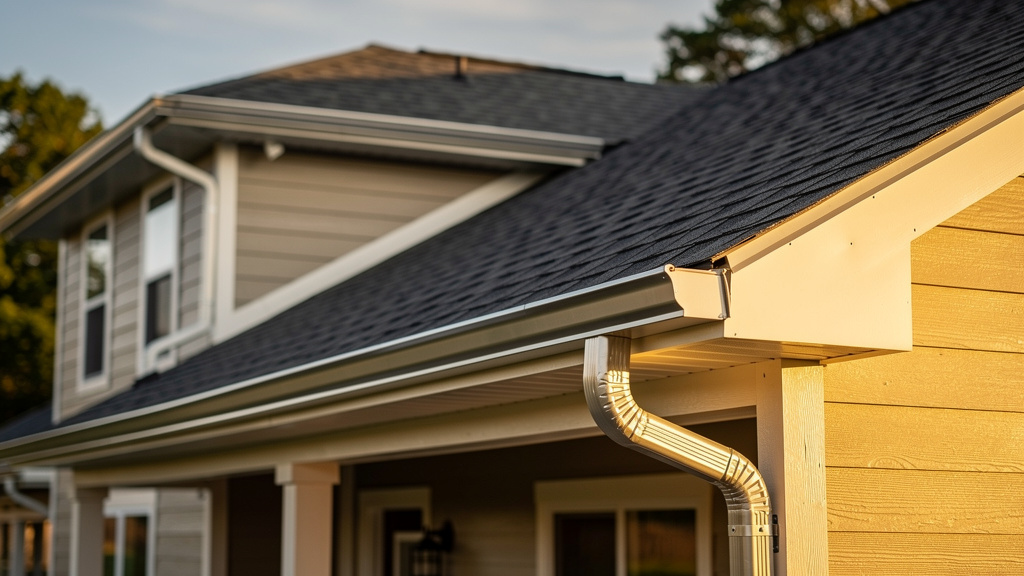
For the Pacific Northwest’s rainy climate, metal roofing and algae-resistant asphalt shingles perform best, with metal offering superior water shedding and longevity despite higher upfront costs.
Why Roofing Material Choice Matters More in Seattle
Seattle’s climate creates unique challenges that don’t exist in drier regions. With over 150 rainy days annually, roofs here stay damp for extended periods from fall through spring, creating ideal conditions for moss and algae growth (Source: Elite Gold Contractors). This persistent moisture means roofing materials face accelerated wear patterns compared to national averages.
The Pacific Northwest’s combination of humidity, overcast skies, and debris from evergreen trees creates a perfect storm for organic growth on roof surfaces. North-facing and shaded roof sections experience the heaviest moss accumulation due to limited direct sunlight and slower drying times (Source: Elite Gold Contractors). Unlike regions with regular dry spells, Seattle roofs often remain damp with limited opportunity for natural cleaning and drying.
Washington State Building Code recognizes these challenges, requiring ice barriers in areas with ice formation history and specific flashings to prevent moisture infiltration through roof joints (Source: State of Washington Building Code). These requirements reflect how seriously moisture management affects roof longevity in our climate.
Which Roofing Materials Handle Pacific Northwest Rain Best?
Metal roofing and algae-resistant asphalt shingles top the list for the region’s wet conditions, each offering distinct advantages for moisture management and longevity.
Metal roofing excels at shedding water quickly and resists moss adhesion better than any organic material (Source: Elite Roofing NW). Standing seam metal systems offer exceptional rain runoff and wind uplift protection, making them ideal for Seattle’s storm patterns. The smooth surface prevents debris accumulation and moss establishment, while the material itself won’t absorb moisture like composite materials can.
Algae-resistant asphalt shingles represent the most practical choice for most Seattle homeowners. Modern shingles with copper-infused granules or zinc treatments actively inhibit organic growth. GAF StainGuard and Owens Corning StreakGuard treatments have become popular Pacific Northwest options specifically for this protection (Source: RoofingCalc). These shingles can show black algae streaks in as little as three years without protection, making the algae-resistant versions essential rather than optional (Source: Malarkey Roofing Products).
Composition shingles remain the most popular roof type in Seattle despite requiring more maintenance in humid conditions (Source: RoofingCalc). However, standard shingles without algae protection will require regular cleaning and may need replacement sooner than their rated lifespan suggests.
How Much Do Different Roofing Materials Cost in the Pacific Northwest?
Asphalt shingle replacement costs $6.50-$10.50 per square foot, while metal roofing ranges $12.50-$20.50 per square foot in The area’s higher-cost labor market.
For a typical 2,000 square foot home, expect these investment ranges:
- Asphalt shingles: $13,000-$21,000 total project cost
- Metal roofing: $25,000-$41,000 total project cost
- Labor component: $60-$100 per hour, above national averages
- Permits: $250-$500 depending on project scope
(Source: RoofingCalc)
These costs reflect the area’s skilled labor shortage and higher living costs compared to national averages.
Algae-resistant shingles typically add $0.50-$1.00 per square foot to standard asphalt shingle costs but prevent the expense and hassle of frequent cleaning or premature replacement. Most new roofs are designed for 20-year service life, though metal, slate, and clay tiles can last significantly longer when properly installed (Source: National Roofing Contractors Association).
What Features Should Seattle Roofs Include for Rain Protection?
Proper underlayment, quality flashing, and balanced ventilation systems are essential for managing persistent moisture and preventing water infiltration damage.
Washington State Building Code requires ice barriers in areas with ice formation history, extending 24 inches inside the exterior wall line (Source: State of Washington Building Code). For asphalt shingle installations, the National Roofing Contractors Association recommends single-layer No. 15 underlayment for slopes 18 degrees or greater, though many Seattle contractors upgrade to synthetic underlayments for better moisture resistance (Source: National Roofing Contractors Association).
Flashing quality becomes critical in the Pacific Northwest’s wet climate. All roof joints, valleys, and penetrations must be sealed with corrosion-resistant materials and installed according to manufacturer specifications to prevent moisture infiltration (Source: State of Washington Building Code). Galvanized steel or equivalent corrosion-resistant nails are specifically recommended for asphalt shingle installation in humid climates (Source: National Roofing Contractors Association).
Balanced ventilation systems require 50% of ventilation area at or near the ridge, with intake ventilation at the soffits (Source: National Roofing Contractors Association). This airflow prevents moisture buildup in attic spaces and reduces condensation that can lead to mold, rot, and ice dam formation during Seattle’s occasional freezing periods.
How Do Different Materials Compare for Seattle Conditions?
| Material | Water Resistance | Moss/Algae Resistance | Lifespan | Cost per Sq Ft | Best For |
|---|---|---|---|---|---|
| Metal (Standing Seam) | Excellent | Excellent | 40-70 years | $12.50-$20.50 | Long-term investment, steep slopes |
| Algae-Resistant Shingles | Good | Good | 20-30 years | $7.00-$11.50 | Budget-conscious, most homes |
| Standard Asphalt | Fair | Poor | 15-25 years | $6.50-$10.50 | Immediate cost savings only |
| Composite/Synthetic | Good | Fair | 25-35 years | $8.00-$14.00 | Moderate upgrade option |
(Source: RoofingCalc, Elite Roofing NW)
Metal roofing delivers the best long-term performance for Seattle’s climate but requires higher upfront investment. Algae-resistant asphalt shingles offer the best balance of performance and affordability for most homeowners. Standard asphalt shingles may seem economical initially but typically require more frequent cleaning, repairs, and earlier replacement in humid Pacific Northwest conditions.
When Should You Call a Professional for Roofing Decisions?
Contact a roofing professional when you notice granule loss, curling shingles, moss coverage exceeding 25% of any roof section, or water stains inside your home.
the local climate accelerates normal wear patterns, making professional assessment more critical than in drier regions (Source: Elite Gold Contractors). Many roofing problems remain invisible from ground level — cracked flashing, nail pops, and underlayment failure can cause significant damage before becoming obvious. Professional inspections cost $150-$400 but can identify issues before they require major repairs (Source: Homze).
GAF Master Elite contractors, Owens Corning Platinum Preferred contractors, and CertainTeed certified installers offer enhanced warranties that can extend manufacturer coverage to 50 years when using their specified material systems (Source: GAF, Owens Corning, CertainTeed). These certifications ensure installers understand Seattle-specific challenges like proper moisture management and algae prevention.
Signs that require immediate professional evaluation include: water stains on ceilings or walls, daylight visible through roof boards, sagging roof sections, or extensive moss growth. The region’s persistent moisture means small problems become major issues quickly without proper intervention.
What Should Seattle Homeowners Do Next?
Schedule a professional roof inspection if your current roof is over 15 years old or showing signs of moss growth, granule loss, or water infiltration issues.
Start by documenting your roof’s current condition with photos from multiple angles, noting any visible damage, moss growth patterns, or areas where gutters overflow during heavy rain. This documentation helps contractors provide accurate assessments and can support insurance claims if storm damage is discovered.
Research contractors who are certified by major manufacturers and carry proper licensing and insurance for Washington State work. Request detailed estimates specifying materials and warranty terms.
Consider the long-term cost equation when comparing materials. While metal roofing requires higher upfront investment, the reduced maintenance needs and extended lifespan often provide better value over 20-30 years in this challenging climate. For budget-conscious projects, algae-resistant shingles provide significant protection for a modest upgrade cost.
FAQ
Q: How often should Seattle roofs be inspected?
Every 2-3 years minimum, or after major storms. the Pacific Northwest’s wet climate accelerates wear patterns requiring more frequent professional assessment.
Q: Do metal roofs make more noise in Seattle rain?
Properly installed metal roofs with adequate underlayment are no noisier than asphalt shingles during rainfall.
Q: Can I install new shingles over existing ones in Seattle?
Washington building codes allow maximum two layers, but tear-off is recommended to inspect for moisture damage.
Q: How long do algae-resistant shingles actually resist growth?
Most algae-resistant treatments provide 10-15 years of protection before needing supplemental cleaning or treatment.
Q: Are there energy rebates for roofing materials in Washington?
Contact your utility provider about potential rebates for cool roofing materials or Energy Star rated products.
Sources
- State of Washington Building Code: Washington State Residential Code 2015, Chapter 9 Roof Assemblies
- State of Washington Building Code: Washington State Building Code 2021, Chapter 15 Roof Assemblies and Rooftop Structures
- National Roofing Contractors Association: Roofing Guidelines and Resources
- RoofingCalc: How Much Does a New Roof Cost in the Pacific Northwest, WA?
- Homze: How Much Does a Roof Replacement Cost in the Pacific Northwest? 2025 Pricing Guide
- Elite Gold Contractors: Why Roofs Wear Down Faster in Seattle’s Climate
- Elite Roofing NW: Weather-Adaptive Roofing Systems for Seattle
- RoofSmart: Best Roofing Companies In Seattle Compared for 2026
- Malarkey Roofing Products: Managing Moss and Algae on the Modern Roof
- GAF: Master Elite Contractor Program
- Owens Corning: Platinum Preferred Contractor Program
- CertainTeed: Certified Contractor Program
For homeowners ready to upgrade their roofing system, RoofNW connects you with certified local contractors who understand Pacific Northwest climate challenges and can provide detailed assessments tailored to your specific roof and budget requirements.