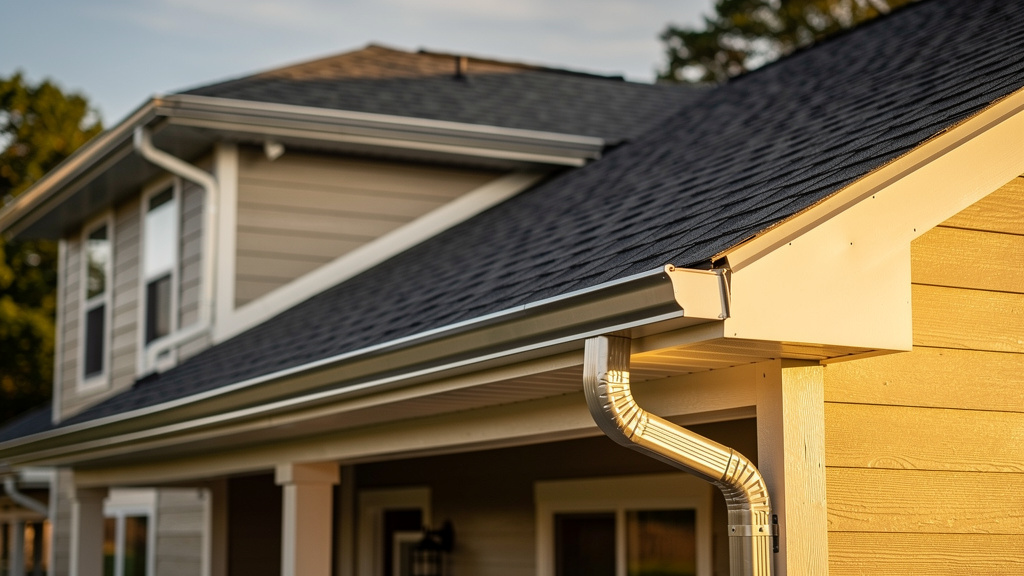
Metal roofing and algae-resistant asphalt shingles perform best in the Pacific Northwest’s wet climate, with metal lasting 40-70 years and specialized asphalt offering 15-30 years of reliable protection.
Why Seattle’s Climate Demands Specific Roofing Materials
Seattle receives over 150 rainy days annually, creating persistent moisture conditions that challenge most roofing materials (Source: SEA Renovation). This constant dampness promotes moss and algae growth, particularly on traditional asphalt shingles. The Pacific Northwest’s mild temperatures mean freeze-thaw cycles are less destructive than in other climates, but the extended wet seasons create unique problems.
Washington state requires Class A fire-retardant materials for roof coverings, which limits material options but ensures safety (Source: Washington State Building Code Council). Seattle’s building code adds wind resistance requirements up to 130 mph for proper installation, reflecting the area’s occasional severe weather (Source: Washington State Building Code Council). The combination of moisture management and structural requirements makes material selection critical for long-term performance.
Which Roofing Materials Handle Seattle’s Moisture Best?
Metal roofing excels in the Pacific Northwest’s wet climate because it sheds water efficiently and prevents pooling, while its smooth surface doesn’t support moss or algae growth (Source: SEA Renovation).
Metal roofing costs $12-$16 per square foot locally, averaging $65,000 for complete installations (Source: RoofSmart). Steel roofs are most common and cost about twice as much as asphalt but last 40-70 years compared to asphalt’s 15-30 years (Source: SEA Renovation). Aluminum roofing averages $69,000 and performs especially well in coastal areas like Seattle due to corrosion resistance (Source: RoofSmart).
For homeowners choosing asphalt shingles, algae-resistant options are essential. GAF StainGuard and Owens Corning StreakGuard technologies specifically resist algae growth common in Pacific Northwest conditions (Source: RoofingCalc). These treated shingles cost $6.50-$10.50 per square foot installed in Seattle, with total replacement costs ranging $13,000-$21,000 for a typical 2,000 square foot roof (Source: RoofingCalc).
Avoid copper and zinc-coated materials, as these can harm Puget Sound aquatic life through runoff .
How Do Seattle Building Codes Affect Material Choice?
Seattle requires secondary emergency overflow drains and 4-inch minimum scupper openings to prevent water damage from the area’s heavy rainfall .
The 2015 Seattle Building Code mandates that asphalt shingles meet ASTM D7158 wind resistance standards and requires minimum roof slopes of 2:12 for asphalt installations . These specifications ensure materials can handle both the region’s wet conditions and occasional windstorms.
Washington state building code requires 30-pound minimum asphalt-based underlayment, which provides an additional moisture barrier beneath the primary roofing material (Source: Washington State Building Code Council). This underlayment requirement is particularly important in this climate, where wind-driven rain can penetrate beneath shingles.
Premium shingle manufacturers have adapted to these requirements. Owens Corning Duration features SureNail Technology for 130 mph wind resistance, while GAF LayerLock Technology provides unlimited wind speed protection when properly installed (Source: RoofSmart). CertainTeed Landmarks include NailTrak for consistent installation that meets code requirements.
What Maintenance Do Different Materials Require in Seattle?
Professional moss removal is essential for asphalt roofs, as DIY scrubbing can damage shingle surfaces and void warranties (Source: National Roofing Contractors Association).
The National Roofing Contractors Association specifically warns against homeowner moss removal attempts, noting that proper treatment requires professional experience and equipment (Source: NRCA). Dark roof stains from algae are primarily cosmetic rather than structural damage, but moss can lift shingle edges and create water infiltration points.
Metal roofs require minimal maintenance in this climate since their smooth surfaces naturally shed water and debris. Occasional inspection of fasteners and sealants around penetrations is typically sufficient. However, compatibility issues exist between copper or zinc strips and steel flashings, so material combinations must be carefully planned (Source: NRCA).
For asphalt roofs, prevention proves more effective than reactive treatment. Algae and moss are different organisms requiring different prevention approaches, making professional assessment valuable for determining the most appropriate long-term strategy (Source: Asphalt Roofing Manufacturers Association).
How Much Should Homeowners Expect to Pay?
| Material Type | Cost Per Sq Ft | Lifespan | Total Cost (2,000 sq ft) | Annual Cost |
|---|---|---|---|---|
| Standard Asphalt | $6.50-$8.00 | 15-20 years | $13,000-$16,000 | $650-$1,070 |
| Algae-Resistant Asphalt | $8.00-$10.50 | 20-30 years | $16,000-$21,000 | $530-$1,050 |
| Steel Metal | $12.00-$16.00 | 40-50 years | $24,000-$32,000 | $480-$800 |
| Aluminum Metal | $14.00-$18.00 | 50-70 years | $28,000-$36,000 | $400-$720 |
Costs include installation and basic underlayment (Source: RoofingCalc, RoofSmart)
These prices reflect the area’s higher labor costs compared to national averages. Building permits for roof replacement typically add $500-$1,000 to project costs. Metal roofing’s higher upfront cost often provides better long-term value when calculated annually over the material’s lifespan.
When Should You Call a Professional?
Contact a roofing professional immediately if you notice moss lifting shingle edges, water stains on interior ceilings, or missing granules exposing the asphalt mat underneath.
Many roofing problems remain invisible from ground level. Cracked flashing, loose fasteners, and underlayment failure can cause significant damage before becoming obvious to homeowners. Professional inspection costs $150-$400 but can identify problems before they become expensive emergencies.
Seattle’s building code requirements for wind resistance and drainage systems require professional installation. Improper installation voids manufacturer warranties and can create liability issues during insurance claims. Licensed contractors understand local permit requirements and inspection processes that ensure code compliance.
What Homeowners Should Do Next
Schedule a professional roof inspection if your current roof is over 15 years old or shows visible moss growth. Document any existing problems with photos for insurance purposes before they worsen during the next heavy rain season.
Get quotes from at least three licensed contractors, comparing not just price but warranty terms and material specifications. Verify that contractors carry proper licensing and insurance for local projects. Ask specifically about their experience with algae-resistant treatments and metal roofing installations.
Consider timing your replacement for late spring or early summer when weather conditions favor proper installation and curing. the extended wet seasons can delay projects and affect material performance if installation occurs during persistent moisture conditions.
FAQ
Q: Do metal roofs make more noise during the region’s frequent rain?
Modern metal roofs with proper underlayment and insulation create no more interior noise than asphalt shingles during rainfall.
Q: How long do algae-resistant shingles stay effective?
GAF StainGuard and Owens Corning StreakGuard treatments remain active for the full shingle warranty period, typically 25-30 years.
Q: Can I install new shingles over my existing roof?
The city allows maximum two layers, but tear-off reveals decking problems and ensures proper drainage system installation.
Q: Which roofing material increases home value most in Seattle?
Metal roofing typically provides highest return due to longevity, but algae-resistant asphalt offers good value for budget-conscious sellers.
Q: Do I need special permits for metal roof installation?
Yes, The city requires building permits for roof replacement, with additional structural review for metal roofing weight considerations.
Sources
- Washington State Building Code Council: Washington State Building Code 2021 Chapter 15 Roof Assemblies
- City of Seattle Department of Construction and Inspections: 2015 Seattle Building Code Chapter 15 Roof Assemblies
- City of Seattle Office of Sustainability & Environment: Seattle Green Home Remodel Guide – Roofing
- Asphalt Roofing Manufacturers Association: Algae & Moss Prevention and Cleaning for Asphalt Roofing Systems
- National Roofing Contractors Association: Maintenance Guidelines
- RoofingCalc: How Much Does a New Roof Cost in Seattle, WA?
- RoofSmart: How Much Does a Roof Cost in 2026? Prices for Seattle Homeowners
- RoofSmart: How Much Does it Cost to Install a Metal Roof in the Greater Seattle Area?
- SEA Renovation: Top 5 Roofing Materials for Seattle Homes: Durability Guide
- RoofSmart: Owens Corning vs. GAF vs. CertainTeed Standard Shingles: Seattle Comparison
RoofNW connects Seattle-area homeowners with qualified roofing contractors who understand the Pacific Northwest’s unique climate challenges. Their network includes professionals experienced with both traditional asphalt and metal roofing installations that meet local building code requirements.