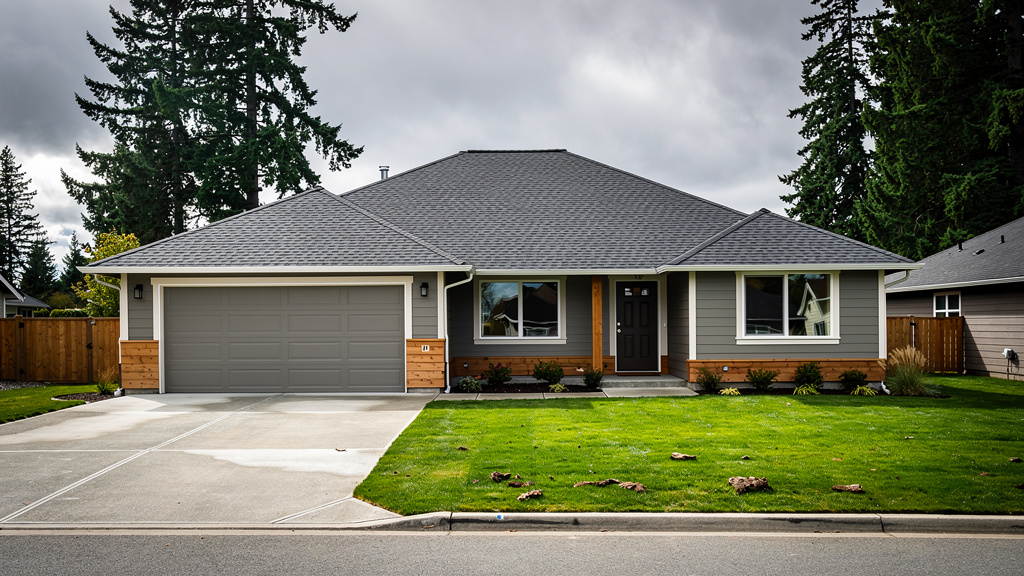
Most roof replacements in Seattle take 1-3 days for actual installation, though the complete project timeline spans 3-4 weeks from start to finish.
Why Timing Matters More in Seattle’s Climate
Seattle’s unique marine climate makes roof replacement timing critical for homeowners. The city’s frequent rain, limited sunlight, and consistently moist air create conditions that accelerate roof wear and complicate installation schedules (Source: Elite Gold Contractors). Unlike drier climates where roofing work can proceed year-round, Seattle contractors must work around the region’s 150+ rainy days annually.
Seattle’s cool temperatures and heavy tree cover create ideal conditions for moss, algae, and lichen growth, which trap moisture against shingles and accelerate material decay (Source: Elite Gold Contractors). This means Seattle roofs often need replacement sooner than national averages, making efficient project timing essential for preventing water damage to your home’s interior.
The city’s building regulations also reflect these climate challenges, requiring complete tear-off to the roof deck rather than simple overlay installations in most cases (Source: Washington State Building Code Council).
What Affects Your Project Timeline in Seattle?
Several Seattle-specific factors determine how long your roof replacement will actually take. Weather tops the list — winter projects can face 1-2 weeks of additional delays waiting for dry conditions (Source: RoofSmart).
Material type significantly impacts duration. Asphalt shingle installation typically takes 1-2 days for a standard residential roof, while metal roofing requires 3-6 days due to specialized installation techniques (Source: Orca Roofing & Exteriors). For a typical 2,000-3,000 square foot Seattle home, expect about 3 days for a straightforward asphalt shingle replacement (Source: RoofSmart).
Hidden damage discoveries extend timelines. Seattle’s rainy climate commonly reveals water damage and rotting decking during tear-off. Most projects need some board replacement, and extensive damage can add several days to the schedule (Source: RoofSmart). This discovery phase happens after the old roof comes off, so contractors can’t predict these delays during initial estimates.
Permit processing doesn’t slow things down. Seattle issues re-roofing permits online the same day you apply, with no on-site inspection required for residential projects (Source: Homze). However, the full project timeline from initial contact to completion typically spans 3-4 weeks due to scheduling, material ordering, and weather windows (Source: RoofSmart).
When Do Most Seattle Roof Replacements Get Scheduled?
Summer represents peak season for Seattle roof replacements, offering extended daylight hours and minimal rainfall for optimal working conditions (Source: Roofing and Maintenance). However, this ideal weather window drives up demand and costs.
Spring provides the sweet spot for many Seattle homeowners. Contractors have better availability than summer peak season, and cooler temperatures actually benefit roofing material installation (Source: Roofing and Maintenance). Spring also allows homeowners to address winter storm damage before the next rainy season.
Winter installations face significant challenges. Beyond weather delays, cold temperatures and shortened daylight hours slow installation progress. Most Seattle contractors avoid winter projects unless emergency repairs are needed (Source: Roofing and Maintenance).
Fall offers mixed conditions. Early fall can provide decent weather windows, but projects risk getting caught in Seattle’s extended rainy season that typically begins in October. Late fall projects often get postponed until spring to avoid weather complications.
The seasonal timing affects not just installation speed but also contractor availability and pricing. Summer projects may cost 10-15% more due to high demand, while spring and fall timing can offer both better pricing and more predictable schedules.
What Does Seattle’s Project Timeline Look Like?
| Project Phase | Timeline | Key Activities |
|---|---|---|
| Initial Contact to Estimate | 3-5 days | Site inspection, measurement, proposal |
| Contract to Permit | 1-2 days | Paperwork, online permit filing |
| Permit to Material Delivery | 1-2 weeks | Material ordering, scheduling |
| Installation (Asphalt Shingles) | 1-3 days | Tear-off, decking repair, installation |
| Installation (Metal Roofing) | 3-6 days | Tear-off, specialized installation |
| Final Inspection and Cleanup | 1 day | Quality check, debris removal |
Weather buffer time: Add 1-2 weeks in winter months for potential rain delays (Source: RoofSmart). Even during ideal seasons, Seattle projects should build in flexibility for unexpected weather windows.
How Much Should Seattle Homeowners Budget?
Roof replacement costs in Seattle typically range from $20,000-$30,000 for asphalt shingles on an average-sized home (Source: RoofSmart). The city’s higher labor costs and wet climate make replacement slightly more expensive than national averages (Source: Homze).
Hidden costs are common in Seattle’s climate. Water damage and rotting decking repairs can add $4,000-$12,000 to the base replacement cost (Source: RoofSmart). In Seattle’s rainy environment, some degree of hidden damage is nearly inevitable, so budget accordingly.
Permit costs remain modest at $250-$500 depending on project scope (Source: Homze). However, note that permits aren’t required for re-roofing one- and two-family homes in Seattle, though many contractors pull them anyway for liability protection.
Material choice significantly affects both cost and timeline. While asphalt shingles offer the most cost-effective option, Seattle’s moss-prone environment may justify investing in algae-resistant shingles or metal roofing for longer-term value.
When Should You Call a Professional?
Several warning signs indicate your Seattle roof needs professional replacement rather than simple repairs. Multiple missing or curled shingles, visible sagging, or granules filling your gutters all signal advanced wear that spot repairs can’t address effectively.
Seattle-specific red flags include moss coverage exceeding 30% of your roof surface. While moss removal can extend roof life temporarily, extensive growth usually indicates underlying moisture problems that require comprehensive replacement (Source: Elite Gold Contractors). Green streaks or black staining also suggest algae growth that compromises shingle integrity.
Interior water stains demand immediate professional assessment. Seattle’s frequent rain means small leaks quickly become major problems. Professional roofers can determine whether water intrusion requires spot repairs or full replacement, and they understand local building codes that may require complete tear-off for certain damage types.
Age matters more in Seattle’s climate. While asphalt shingles carry 20-30 year warranties, Seattle’s conditions typically reduce actual lifespan. Roofs approaching 15-20 years old should receive professional evaluation, especially if showing any visible wear signs.
Don’t attempt DIY assessment in Seattle’s wet conditions. Professional inspectors understand how to safely evaluate moss-covered or moisture-damaged roofing systems and can identify problems invisible from ground level.
What Should Seattle Homeowners Do Next?
Start by scheduling professional roof inspections every 2-3 years, or immediately after major storms. Seattle’s climate makes regular professional assessment essential for catching problems before they require emergency replacement.
Plan replacement timing strategically. If your roof is approaching replacement age but not yet failing, schedule the project for late spring or early summer to ensure optimal installation conditions. This timing provides better contractor availability than peak summer months while avoiding weather delays.
Research contractors thoroughly. Verify licensing, insurance, and local experience specifically with Seattle’s climate challenges. Ask about their approach to moss prevention, moisture barriers, and ventilation systems appropriate for the Pacific Northwest.
Budget for contingencies. Given Seattle’s high likelihood of hidden water damage, maintain a 20-30% contingency fund beyond the base replacement estimate. This preparation prevents project delays when contractors discover rotted decking or other moisture-related damage during tear-off.
Get multiple estimates, but focus on contractors who understand Seattle’s specific roofing challenges rather than just comparing prices. Experience with moss prevention, proper ventilation design, and local building codes will provide better long-term value than the lowest bid.
Seattle homeowners looking for experienced roof replacement should consider RoofNW’s local expertise in Pacific Northwest roofing challenges. Their understanding of Seattle’s climate conditions and building requirements helps ensure projects stay on schedule and within budget.
FAQ
Q: Can you replace a roof in Seattle during winter?
Winter roof replacement is possible but faces frequent weather delays, potentially adding 1-2 weeks to normal timelines.
Q: Do I need a permit for roof replacement in Seattle?
Permits aren’t required for residential re-roofing but cost $250-$500 and provide liability protection if obtained.
Q: How long does asphalt shingle installation take?
Asphalt shingle installation typically takes 1-2 days for standard residential homes in Seattle area.
Q: What’s the best season for roof replacement in Seattle?
Late spring through early fall offers optimal conditions, with summer providing best weather but highest contractor demand.
Q: Should I expect hidden damage costs in Seattle?
Yes, Seattle’s rainy climate commonly reveals water damage requiring $4,000-$12,000 in additional decking repairs.
Sources
- Elite Gold Contractors: Seattle Climate Roof Wear Analysis
- Homze: Seattle Roof Replacement Cost Guide 2025
- National Roofing Contractors Association: Industry Standards and Guidelines
- Orca Roofing & Exteriors: Roof Replacement Timeline Guide
- Roofing and Maintenance: Best Time for Seattle Roof Replacement
- RoofSmart: Seattle Area Roof Replacement Timeline and Costs
- Washington State Building Code Council: 2021 Building Code Requirements