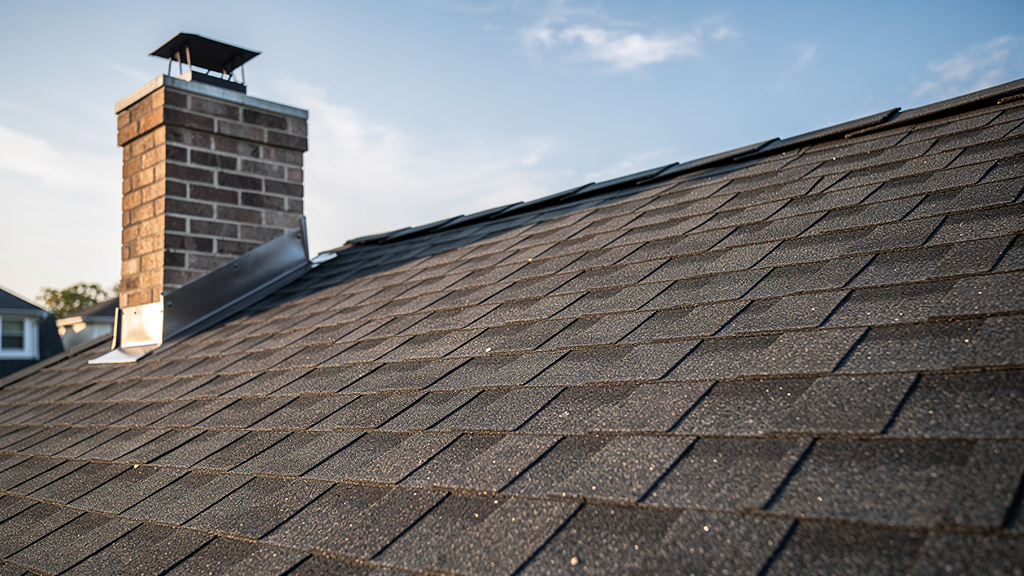
Filing a roof insurance claim in Seattle requires documenting damage, contacting your insurer within your policy timeframe, and providing thorough evidence of storm-related damage to your roof.
Why Filing Roof Claims Matters in Seattle
Seattle’s unique climate creates specific challenges for homeowners filing roof insurance claims. The city receives 37 inches of rain annually, with atmospheric rivers causing 80% of all flooding damage on the West Coast and about $1 billion in damage annually (Source: USDA Climate Hubs). These powerful weather systems can be 250-375 miles wide and deliver enormous amounts of water in short periods — the Seattle area received 12 inches of rain over 6 days in November 2021 (Source: USDA Climate Hubs).
Washington State’s Insurance Fair Conduct Act (IFCA) provides stronger consumer protections than many states, requiring insurance companies to act in good faith and perform reasonable investigations of claims (Source: Washington State Office of the Insurance Commissioner). This means Seattle homeowners have legal backing when insurers attempt to deny legitimate claims, but they must follow proper procedures to benefit from these protections.
What Documentation Do You Need Before Calling Your Insurer?
Document everything thoroughly before contacting your insurance company — photos, weather records, and damage details strengthen your claim significantly.
Professional inspection reports from certified inspectors add credibility to insurance claims (Source: National Roof Certification and Inspection Association). Take photographs of all visible damage from multiple angles, including close-ups of missing or damaged shingles, dented flashing, and any interior water damage. Document the date and weather conditions that caused the damage, using local weather service records to support your timeline.
Create a detailed inventory of damaged areas, measuring approximate square footage affected. Storm damage documentation should include date, weather conditions, and photographic evidence. Save any pieces of roofing material that fell during the storm — insurance adjusters often want to examine actual debris.
Keep receipts for any emergency repairs you make to prevent further damage, such as tarping or temporary patching. Washington’s consumer protection laws require insurers to reimburse reasonable emergency repairs when you’ve acted to minimize damage.
How Long Do You Have to File Your Claim?
Most homeowners have one year to file storm damage claims, but contact your insurer immediately after discovering damage for the best outcome.
Review your specific policy language for exact timeframes, as some insurers require notification within 30-60 days of damage discovery. However, the one-year window typically applies to the actual filing deadline. Delaying your initial report can complicate the claims process and give insurers grounds to question whether damage occurred during the covered event.
Washington State requires insurers to acknowledge receipt of your claim within 10 days and begin investigation promptly. The Insurance Fair Conduct Act mandates that companies perform timely, thorough, and unbiased investigations (Source: United Policyholders). If your insurer fails to meet these requirements, contact the Washington State OIC consumer hotline at 800-562-6900 for assistance (Source: Washington State Office of the Insurance Commissioner).
What Should You Expect During the Claims Process?
Your insurer will assign an adjuster to inspect damage and determine coverage — the average insurance payout for storm damage roof claims is approximately $12,000.
The adjuster will schedule an inspection, typically within 7-15 days of your claim filing. Be present during this inspection to point out all damage and provide your documentation. The adjuster will measure damaged areas, take photographs, and assess whether damage resulted from a covered peril like wind or hail.
Insurance companies must follow WAC 284-30-330 specific unfair claims settlement practices regulations (Source: USDA Climate Hubs). This includes providing written explanations for claim denials and offering fair settlement amounts based on actual replacement costs. In Seattle, the average roof replacement cost ranges from $12,646 to $21,429 depending on size and materials (Source: National Roofing Contractors Association).
If your claim is approved, you’ll receive a settlement check minus your deductible. For partial approvals or denials, request detailed written explanations citing specific policy language or exclusions.
How Much Will Your Roof Replacement Cost After Insurance?
| Roof Component | Seattle Cost Range | Insurance Typically Covers |
|---|---|---|
| Asphalt Shingle Replacement | $12,646-$21,429 total | Yes (minus deductible) |
| Labor Costs | $2.50-$4.50 per sqft | Yes, at prevailing rates |
| Tear-off and Disposal | $1,000-$2,500 additional | Usually covered |
| Permits | $500-$1,000 | Coverage varies by policy |
| Emergency Repairs | $200-$800 | Yes, with documentation |
Seattle roofing labor costs are $2.50-$4.50 per square foot, 10-25% higher than surrounding areas (Source: National Roofing Contractors Association). Insurance settlements should reflect these local market rates, not generic regional averages.
When Should You Call a Roofing Professional?
Contact a licensed roofing contractor immediately if you see missing shingles, interior water damage, or structural sagging — these indicate problems beyond simple DIY fixes.
Professional roofers can identify damage that homeowners often miss, such as compromised flashing, nail pops, or underlayment failure. They understand how Seattle’s atmospheric rivers and windstorms typically damage roofs and can document problems in terms insurance adjusters recognize.
Avoid storm chasers with high-pressure tactics who canvass neighborhoods after weather events (Source: National Roof Certification and Inspection Association). Instead, choose established local contractors familiar with Washington’s building codes and insurance processes. Licensed contractors can also handle permit applications and ensure repairs meet Seattle’s building standards.
Get written estimates from at least two contractors before accepting your insurance settlement. This documentation helps if you need to negotiate with your adjuster about repair costs.
What Should Seattle Homeowners Do Next?
Start by photographing any visible roof damage and checking your insurance policy for claim filing requirements and timeframes.
Review your homeowner’s policy to understand your coverage limits, deductibles, and any exclusions related to weather damage. Contact your insurance company’s claims department — most have 24/7 hotlines for storm-related claims. Provide them with your policy number, the date damage occurred, and a brief description of what happened.
If you encounter problems with your claim, remember that Washington State offers strong consumer protections. File complaints online at the Washington State Office of Insurance Commissioner website, or call their consumer hotline for guidance. The OIC has recovered millions for consumers dealing with unfair claim practices.
Keep detailed records of all communications with your insurer, including claim numbers, adjuster names, and conversation summaries. This documentation becomes crucial if disputes arise during the claims process.
FAQ
Q: Can I start roof repairs before my adjuster inspects the damage?
Only make emergency repairs to prevent further damage. Document everything with photos and receipts before making any changes.
Q: What if my insurance company denies my roof claim?
Request written denial reasons citing specific policy language. Contact Washington State OIC at 800-562-6900 for assistance with unfair denials.
Q: How long does the roof insurance claim process take in Seattle?
Most claims resolve within 30-45 days, though complex cases may take longer depending on damage extent and documentation quality.
Q: Do I need to get multiple contractor estimates for my claim?
While not required, getting 2-3 estimates helps ensure your settlement covers actual local repair costs in Seattle’s market.
Q: What weather events are typically covered for roof damage in Washington?
Wind, hail, and falling objects are usually covered. Flood damage requires separate flood insurance, while maintenance issues aren’t covered.
Sources
- Washington State Office of the Insurance Commissioner: Consumer protection and complaint filing
- USDA Climate Hubs: Atmospheric Rivers in the Northwest
- National Roof Certification and Inspection Association: The Roof Claim Process Guide
- National Roofing Contractors Association: Insurance industry guidance
- United Policyholders: Insurance Consumer Rights in Washington State
- Better Flood: Washington state flood and storm damage statistics
RoofNW understands the complexities of insurance claims in the Seattle area. Their experienced team helps homeowners navigate the claims process while ensuring repairs meet Washington’s building standards and insurance requirements.