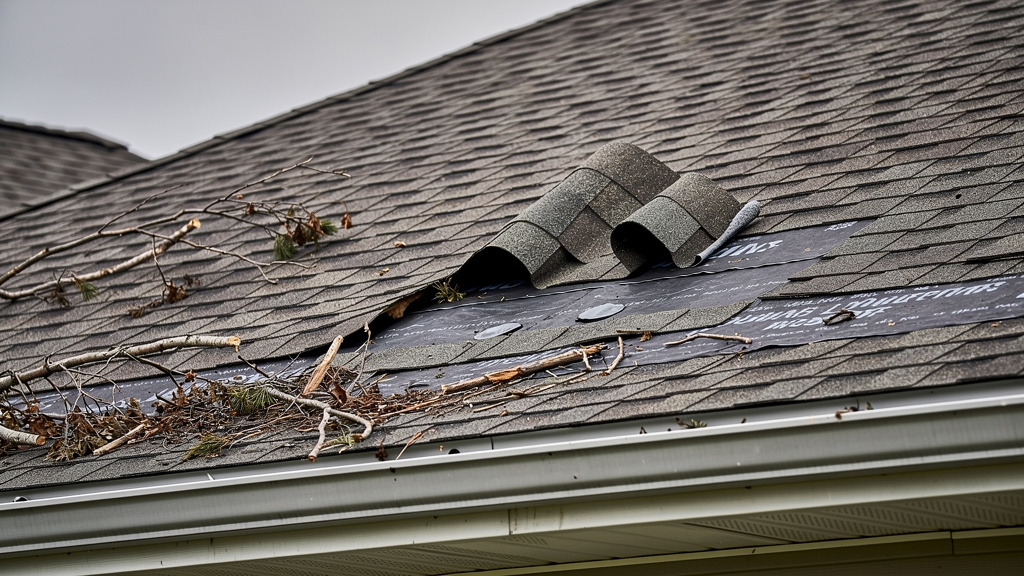
Missing shingles, exposed nail heads, bent flashing around chimneys, and granule accumulation in gutters signal wind and storm damage on Seattle roofs.
Why Storm Damage Detection Matters in Seattle
Seattle’s position between Puget Sound and the Cascade Mountains creates unique weather challenges for roofs. Pacific storms regularly bring sustained winds exceeding 40 mph, with gusts reaching 70 mph during major weather events. The city’s wet climate means follow-up rain usually arrives quickly after windstorms, making early damage detection critical to prevent water infiltration (Source: Elite Roofing NW).
Washington State Building Code requires roof coverings to resist cyclical flexural response due to wind loads without significant loss of tensile strength, and asphalt shingles must meet ASTM D7158 classification requirements for maximum basic wind speed (Source: Washington State Building Code Council). Seattle’s building code specifically requires fastening systems to resist wind forces per Section 1609.5.3 (Source: Seattle Department of Construction & Inspections). Despite these standards, even properly installed roofs suffer damage when storms exceed design limits.
What Does Wind Damage Look Like on Shingles?
Wind damage appears as lifted, creased, or completely missing shingles across your roof surface.
High winds in Seattle frequently cause lifted or missing shingles, creased shingle tabs, and bent flashing around chimneys and skylights (Source: Elite Roofing NW). Look for shingles with corners turned up or back — this “wind lifting” exposes the underlying shingle and creates entry points for water. Creased shingle tabs show horizontal lines across individual shingle sections where wind pressure bent the material beyond its flexibility limit.
Missing shingles leave obvious bare patches on your roof, but partial losses are harder to spot. You might see shingles hanging loosely or torn sections still attached by a few nails. Granule loss appears as smooth, shiny spots on shingles where protective granules have blown away. Severe granule loss leaves dark asphalt backing exposed, significantly reducing the shingle’s weather resistance and UV protection.
Check your gutters and yard for shingle debris — pieces of torn asphalt shingles indicate damage above. Whole shingles found on the ground typically mean multiple attachment points failed during high winds.
How Can You Identify Flashing and Structural Damage?
Bent or separated flashing around chimneys, vents, and roof edges indicates structural movement during storms.
Flashing damage appears as metal pieces pulled away from attachment points, bent sections that no longer lie flat, or visible gaps between flashing and roof surfaces. Storm winds create uplift forces that stress these critical waterproofing connections. Chimney flashing often shows the most obvious damage — look for step flashing pieces bent upward or counter-flashing pulled away from masonry.
Vent flashing around plumbing stacks and exhaust vents may develop cracks or separations where the rubber boot meets the metal base. Roof edge flashing, including drip edge along eaves, frequently bends or separates during high winds. This damage compromises water drainage and allows wind-driven rain to penetrate roof edges.
Structural damage includes sagging roof lines, twisted gutters, or fascia boards pulled away from the roof structure. These problems indicate the storm forces exceeded the building’s design limits and require immediate professional evaluation. Exposed nail heads throughout the roof surface suggest widespread fastener failure where shingle attachment points have loosened or pulled through the roofing material.
What Storm Damage Signs Appear Inside Your Home?
Water stains on ceilings, walls, or in attic spaces indicate roof penetration from storm damage.
Interior damage appears first as water stains — brown or yellow discoloration on ceiling surfaces directly below roof damage. Fresh stains feel damp and may drip during rain, while older stains appear as dried rings or irregular patches. Attic inspections reveal water damage more clearly, showing wet insulation, dark wood staining on rafters, or standing water on attic floors.
Daylight visible through roof decking indicates severe damage where shingles, underlayment, and potentially roof decking have failed. This level of damage requires immediate tarping to prevent further water intrusion. Musty odors in upper floor rooms or attics suggest hidden moisture from roof leaks that haven’t yet created visible staining.
Electrical issues in upper floors, including flickering lights or dead outlets, may indicate water infiltration reaching wiring systems. This creates safety hazards requiring immediate attention from both roofing and electrical professionals.
When Should You Schedule Professional Inspection vs DIY Assessment?
Call professionals immediately for structural damage, electrical issues, or when you cannot safely access all roof areas from ground level.
Ground-level inspection with binoculars is safer than climbing on roof after storm damage (Source: Elite Roofing NW). You can identify obvious damage like missing shingles, bent gutters, or debris accumulation without roof access. However, professional inspection becomes necessary when damage extends beyond surface-level shingle problems.
Schedule professional inspection within days of major storms, especially if you notice interior water damage or structural issues like sagging roof lines. NRCA recommends roof system inspections at least twice per year in spring and fall, with additional inspections after severe weather events (Source: National Roofing Contractors Association).
Emergency situations requiring immediate professional response include exposed roof decking, major flashing failures around chimneys, or any structural movement of roof components. Attempting repairs on damaged roof structures creates serious safety risks for untrained individuals.
How Much Does Storm Damage Repair Cost in Seattle?
Storm damage repair costs depend on extent and type of damage, ranging from hundreds to tens of thousands of dollars.
| Damage Type | Typical Cost Range | Timeline |
|---|---|---|
| Minor shingle replacement (2-5 shingles) | $200-$500 | 1-2 days |
| Flashing repair around chimneys/vents | $300-$800 | 1-2 days |
| Partial roof section replacement | $1,500-$5,000 | 3-5 days |
| Full roof replacement after major damage | $8,000-$25,000 | 1-2 weeks |
| Emergency tarping and temporary repairs | $500-$1,500 | Same day |
Seattle roof repair costs average $1,540, with most repairs costing between $454 and $2,655 (Source: HomeAdvisor 2024). Storm damage repair costs typically range from $600 to $5,000 depending on damage extent (Source: Elite Roofing NW). Most Seattle homeowners pay about $750 for minor repairs like damaged shingles or small leaks (Source: Angi).
Emergency repairs after storms cost more than scheduled maintenance during Seattle’s dry months (Source: Elite Roofing NW). Severe cases involving tree damage can reach hundreds of thousands of dollars for extensive structural repairs (Source: GetRoofSmart).
What Should Seattle Homeowners Do After Discovering Storm Damage?
Document damage with photos, contact your insurance company, and arrange temporary protection while scheduling professional repairs.
Start with comprehensive photo documentation from multiple angles, including close-ups of specific damage and wide shots showing overall roof condition. Take pictures immediately after discovering damage and before any temporary repairs. Include photos of interior water damage, damaged belongings, and any debris from your roof found in the yard.
Contact your insurance company within 24-48 hours of discovering damage. Most policies require prompt notification, and delays can complicate claims processing. Ask about coverage for temporary protective measures like tarping or emergency repairs to prevent additional damage.
Arrange temporary protection if damage allows water penetration. Professional tarping services cost $500-$1,500 but prevent thousands in additional interior damage (Source: GetRoofSmart). Remove valuable items from areas below roof damage and place collection containers for ongoing leaks.
Get multiple repair estimates from licensed contractors, but avoid door-to-door solicitors who appear immediately after storms. Legitimate contractors schedule consultations rather than pressuring immediate decisions. Verify contractor licensing through Washington State Department of Labor & Industries before signing contracts.
FAQ
Q: How quickly should I inspect my roof after a Seattle windstorm?
Inspect as soon as safely possible from ground level, then schedule professional inspection within 2-3 days of major storms.
Q: Can I temporarily repair storm damage myself?
Only attempt ground-level temporary measures like tarping. Leave all roof-level repairs to licensed professionals for safety reasons.
Q: Will my insurance cover all storm damage repairs?
Coverage depends on your policy terms, deductible amount, and whether damage resulted from covered weather events versus maintenance issues.
Q: How long do I have to file an insurance claim for roof damage?
Most policies require notification within 60 days, but contact your insurer immediately after discovering damage for best results.
Q: Should I accept the first repair estimate I receive?
Get at least three estimates from licensed contractors to ensure fair pricing and identify any damage other contractors missed.
Sources
- Washington State Building Code Council: Chapter 15 Roof Assemblies and Rooftop Structures: Washington State Building Code 2021
- Seattle Department of Construction & Inspections: 2015 Seattle Building Code Chapter 15
- Elite Roofing NW: Roof Storm Damage Checklist: What to Look for After a Seattle Area Windstorm
- National Roofing Contractors Association: NRCA PROCertification standards and inspection recommendations
- HomeAdvisor: Roof Repair Cost Guide 2024
- Angi: How Much Does Roof Repair Cost in Seattle?
- GetRoofSmart: How Much Does it Cost to Repair Storm Damage on a Roof in Seattle?
Seattle homeowners dealing with storm damage need prompt, professional assessment to prevent minor issues from becoming major problems. RoofNW connects property owners with experienced local contractors who understand Seattle’s unique weather challenges and building requirements, ensuring repairs meet both insurance standards and long-term durability needs.