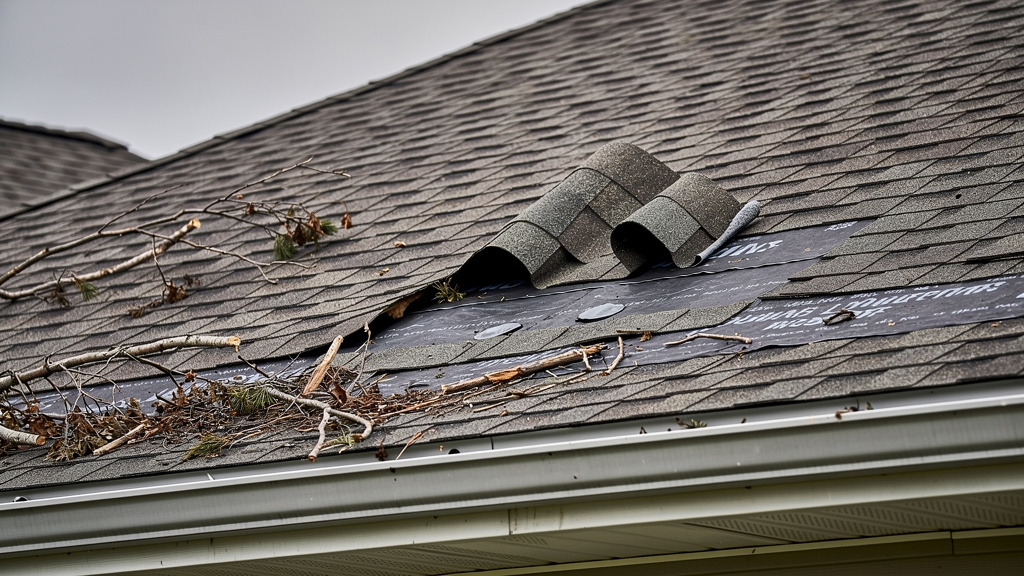
Missing shingles, granule loss, bent flashing, and exposed nail heads indicate wind or storm damage on Seattle roofs requiring professional inspection.
Why Storm Damage Assessment Matters for Seattle Homeowners
Seattle’s unique climate creates specific challenges for residential roofing. The Puget Sound region experiences frequent winter windstorms with gusts exceeding 40 mph, followed by heavy rainfall that can exploit any wind-created vulnerabilities. Unlike many regions, Seattle area hail rarely exceeds pea size (¼ inch diameter) due to weak updraft speeds in the region. However, the combination of sustained winds and immediate follow-up precipitation makes prompt damage identification critical.
Washington State Building Code requires roof coverings to withstand specific wind loads according to ASTM D7158 testing standards (Source: Washington State Building Code Council). Professional assessment becomes essential because damage that appears minor from ground level often represents compromised weatherproofing that will worsen during Seattle’s extended rainy season. The Roofing Contractors Association of Washington represents over 600 contractors statewide and emphasizes that homeowners typically have one year to file insurance claims after storm damage occurs.
How Do You Spot Missing or Damaged Shingles After Seattle Storms?
Look for bare spots on your roof where shingles have blown off completely or lifted tabs that expose the underlying surface.
Missing shingles create immediate vulnerability to water penetration. High winds in Seattle frequently cause lifted or missing shingles, creased shingle tabs, and bent flashing around chimneys and skylights. Complete shingle loss exposes the underlayment or roof decking to direct weather contact.
Partial damage appears as lifted corners or tabs that haven’t blown off entirely. These compromised shingles may flutter in subsequent winds, gradually working loose until they detach completely. Washington state requires minimum roof slopes of 2:12 for asphalt shingles under building codes (Source: Roofing Contractors Association of Washington), and damage becomes more apparent on lower-slope sections where wind can more easily penetrate beneath shingle edges.
Check gutters and yard areas for shingle fragments after storms. Granule accumulation in gutters often indicates widespread surface damage even when individual shingles remain attached. Professional inspection can identify subtle lifting that isn’t visible from ground level but compromises the roof’s wind resistance for future storms.
What Does Granule Loss Tell You About Wind Damage?
Thin horizontal lines where granules are worn off 1-2 inches beneath shingles indicate broken seals from wind damage.
Granule loss patterns reveal how wind interacted with your roof surface. Normal aging creates gradual, uniform granule wear across exposed shingle areas. Wind damage produces distinct horizontal streaks where shingles above rubbed against those below during uplift events (Source: Owens Corning). These friction marks typically appear 1-2 inches below the shingle overlap zone.
Concentrated granule loss around fastener locations suggests nail pops or backing out, which reduces the shingle’s attachment strength. Seattle’s wet climate accelerates deterioration once granule protection disappears, as the underlying asphalt mat becomes exposed to UV damage and temperature cycling.
Widespread granule loss across multiple shingles indicates severe wind stress that may have compromised adhesive seals throughout the roof system. This type of damage often accompanies other wind-related problems like lifted flashing or loosened ridge caps. Professional assessment can determine whether scattered granule loss represents normal weathering or storm-related damage requiring immediate attention before Seattle’s next significant weather event.
How Can You Identify Flashing and Penetration Damage?
Bent, lifted, or separated flashing around chimneys, vents, and skylights indicates wind damage requiring immediate professional repair.
Flashing protects the most vulnerable areas where different roof planes meet or where penetrations interrupt the roof surface. Wind damage typically appears as bent step flashing along sidewalls, lifted counter-flashing around chimneys, or separated boot seals around vent penetrations. These metal components are designed to flex with thermal movement but can exceed their limits during severe windstorms.
Seattle’s frequent rain makes flashing integrity critical. Even minor separation creates pathways for water infiltration that can damage interior structures before becoming visible inside the home. Chimney flashing problems are particularly common because the tall structure creates turbulence that intensifies wind forces around the base.
Valley flashing damage may appear as creasing, separation from roof planes, or fastener backup. These areas channel large volumes of runoff, so any compromise accelerates deterioration. Professional inspection can identify subtle flashing movement that hasn’t yet created visible gaps but reduces long-term weather resistance. Prompt repair prevents minor wind damage from becoming major water damage during Seattle’s extended wet seasons.
| Damage Type | Severity | Estimated Repair Cost | Urgency |
|---|---|---|---|
| Missing shingles (few) | Minor | $200–$500 | Within 2 weeks |
| Granule loss in gutters | Minor | $300–$600 | Schedule inspection |
| Bent or lifted flashing | Moderate | $500–$1,500 | Within 48 hours |
| Multiple missing shingles | Major | $1,000–$4,000 | Immediate |
| Exposed decking or underlayment | Severe | $2,000–$8,000 | Emergency |
| Structural sagging | Critical | $5,000–$20,000 | Emergency |
When Should You Schedule Professional Storm Damage Assessment?
Schedule professional inspection within 48 hours of any windstorm with sustained speeds above 35 mph or if you notice visible damage signs.
Seattle’s follow-up rain typically arrives quickly after windstorms, making prompt damage assessment critical. Professional roof inspection costs in Seattle typically range from $119 to $600, with an average of $212. This investment identifies problems before they worsen during subsequent weather events.
Immediate professional assessment becomes essential if you observe multiple damage indicators: missing shingles, granule accumulation in gutters, bent flashing, or interior leak signs. Average roof repair costs for storm damage in Seattle range from $1,000 to $20,000, with most homeowners paying around $1,000 for replacing missing shingles (Source: RoofSmart).
Insurance considerations also drive timing requirements. Average insurance payouts for storm damage roof claims approximate $12,000, but documentation must occur promptly. Professional inspection provides the documentation necessary for insurance claims while identifying all damage that might not be immediately apparent to untrained observers.
What Should Seattle Homeowners Do After Identifying Storm Damage?
Document all visible damage with photographs, contact your insurance company, and schedule professional inspection before attempting any repairs. Residential roof repairs for minor to moderate storm damage typically range from $400 to $4,000 in Seattle.
Avoid walking on potentially damaged roofing surfaces, as compromised shingles or decking may not support additional weight safely. Focus initial efforts on protecting interior spaces from active leaks using tarps or buckets while professional help arrives.
Contact multiple licensed roofing contractors for assessment and repair estimates. The Roofing Contractors Association of Washington provides resources for locating qualified professionals who understand local building requirements and weather challenges. With proper care and regular maintenance, residential roofs in Seattle can last over 30 years, making professional storm damage repair a worthwhile investment in long-term home protection.
RoofNW specializes in storm damage assessment throughout the Seattle metro area, providing comprehensive inspections that identify both obvious and subtle wind-related problems. Their detailed documentation supports insurance claims while ensuring all damage receives appropriate repair attention.
FAQ
Q: How much wind speed typically damages asphalt shingles in Seattle?
Sustained winds above 35 mph can lift shingle tabs, while gusts over 50 mph commonly cause complete shingle loss.
Q: Should I file an insurance claim for minor missing shingles?
Yes, minor damage often indicates broader problems. Professional assessment determines full extent before claim filing.
Q: Can I temporarily repair wind-lifted shingles myself?
Avoid walking on damaged roofing. Use ground-level tarping for leak protection until professional repair arrives.
Q: How long do I have to file storm damage claims in Washington?
Homeowners typically have one year to file insurance claims after roof sustains storm damage.
Q: What’s the difference between wind damage and normal aging?
Wind damage creates distinct patterns like horizontal granule streaks and lifted edges versus uniform gradual wear.
Sources
- Washington State Building Code Council: Chapter 15 Roof Assemblies and Rooftop Structures, Chapter 16 Structural Design
- Roofing Contractors Association of Washington (RCAW): Understanding Washington State Roofing Safety Code
- RoofSmart: How Much Does it Cost to Repair Storm Damage on a Roof in Seattle
- Owens Corning: Signs of Storm Damage on your Roof