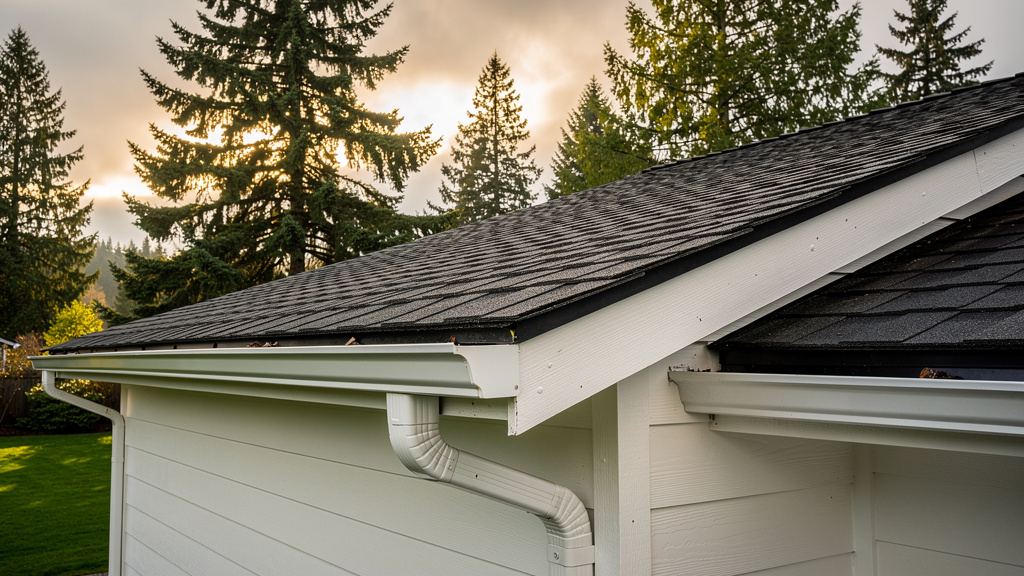
Your roof needs replacement when you see widespread damage, missing shingles, or significant structural issues that can’t be fixed with repairs alone.
Why Roof Replacement Timing Matters in Seattle
Seattle’s unique climate creates specific challenges for residential roofing that homeowners in drier regions never face. The persistent marine humidity provides ideal conditions for moss and algae growth that accelerates roof deterioration (Source: Instant Roofer). Unlike other cities where sun damage is the primary concern, Seattle roofs battle constant moisture, heavy winter rains, and the gradual but relentless spread of moss across shingle surfaces.
This environment means Seattle homeowners often face hidden structural damage that only becomes apparent during replacement. Common issues include rotted decking from moisture infiltration, which can add $4,000-$12,000 to replacement costs depending on the extent of damage (Source: RoofSmart). The good news is that recognizing the warning signs early helps you plan and budget before emergency repairs become necessary during the next heavy storm season.
What Age Signals Roof Replacement Time?
Most asphalt shingle roofs in Seattle need replacement after 15-20 years, regardless of their rated lifespan.
While manufacturers rate shingles for 20-30 years, Seattle’s wet climate accelerates aging significantly. The constant moisture cycle — wet winters followed by brief dry summers — causes shingles to expand and contract more than in stable climates. Add frequent moss growth, and even high-quality architectural shingles rarely reach their full rated lifespan.
If your roof is approaching 15 years old, start planning for replacement within the next 3-5 years. Roofs over 20 years old in the Seattle area typically show multiple failure points that make repair costs exceed replacement value. The Washington State Building Code requires roof replacement to include removal of all existing layers down to the roof deck, so you can’t simply overlay new shingles to extend an aging roof’s life (Source: Washington State Building Code Council).
Consider replacement sooner if your roof faces north or sits under large trees, as these conditions promote faster moss growth and moisture retention.
How Do You Spot Structural Damage Signs?
Sagging roof planes, interior water stains, and daylight visible through the roof deck indicate serious structural problems requiring immediate replacement.
The National Roofing Contractors Association recommends checking for sagging or uneven roof planes as a primary indicator of structural failure . Walk around your house and look for any areas where the roofline appears to dip or curve instead of maintaining straight lines. This suggests decking rot or compromised roof framing underneath.
Inside your home, water stains on ceilings or walls — especially after heavy rain — signal that moisture has penetrated the roof system. Even small stains indicate bigger problems, as water typically travels along framing before becoming visible. If you can see daylight through your roof deck from the attic, the structural integrity has been compromised beyond repair.
Complete roof system failure is generally irreversible and requires full replacement rather than patching . Don’t attempt to repair structural damage yourself — this requires professional assessment and typically involves replacing not just shingles but underlying decking and framing components.
When Does Shingle Damage Require Full Replacement?
Missing, curling, or cracked shingles covering more than 30% of your roof surface indicate replacement is more cost-effective than extensive repairs.
Individual damaged shingles are normal and repairable, but widespread deterioration signals system-wide failure. The NRCA recommends inspecting for missing, loose, or curling shingles as key replacement indicators . Look for shingles with edges that curl upward or downward, creating gaps where wind-driven rain can penetrate.
Granule loss is another critical sign — excessive surface granules accumulating in gutters or downspouts indicate advanced shingle deterioration . Some granule shedding is normal, but if your gutters fill with granules after each rain, your shingles have lost their protective coating and won’t effectively shed water.
Multiple missing shingles, especially after storms, often reveal underlying attachment problems. When several shingles blow off, it typically means the remaining shingles have similar weakened attachment points. Rather than replacing individual shingles repeatedly, full replacement addresses the root cause and provides long-term protection.
What Do Flashing and Gutter Issues Signal?
Deteriorated flashing around chimneys, vents, and roof edges combined with frequent gutter problems often indicates your entire roof system needs replacement.
Flashing failures rarely happen in isolation — they typically occur when the overall roof system reaches the end of its functional life. The NRCA guidelines recommend evaluating flashing around chimneys, vents, and skylights for deterioration as part of replacement assessment . Washington state building codes require flashings to be galvanized steel, aluminum, or copper, but even quality materials fail when the surrounding roof system deteriorates (Source: eHow).
Pay attention to recurring gutter problems like frequent clogs, water overflow, or fascia board rot. These issues often stem from roof problems above rather than gutter problems themselves. When water doesn’t flow properly off the roof due to shingle deterioration or poor drainage, it backs up and causes secondary damage to gutters and fascia boards.
If you’re experiencing multiple flashing repairs, repeated gutter issues, and other roof problems simultaneously, replacement typically costs less than continued piecemeal repairs over 2-3 years.
How Much Does Roof Replacement Cost in Seattle?
| Roof Type | Cost Per Square Foot | Total Cost (2,000 sq ft) | Timeline |
|---|---|---|---|
| Asphalt Shingle | $6.50-$10.50 | $13,000-$21,000 | 2-4 days |
| Architectural Shingle | $8.00-$12.00 | $16,000-$24,000 | 3-5 days |
| Metal Roofing | $12.50-$20.50 | $25,000-$41,000 | 4-7 days |
Average roof replacement costs in Seattle range from $20,000-$30,000 for typical asphalt shingle installation (Source: RoofSmart). Seattle labor costs run $2.50-$4.50 per square foot, 10-25% above surrounding areas due to steep roofs and constant rain conditions (Source: Instant Roofer). Building permits typically add $500-$1,000 depending on project scope (Source: Roofing and Maintenance).
When Should You Call a Professional Roofer?
Contact a licensed roofer immediately if you notice structural sagging, multiple leak sources, or widespread shingle damage across more than 25% of your roof surface. These conditions indicate safety risks and potential for rapid deterioration during Seattle’s next heavy rain period.
Also call professionals for proper assessment if your roof is approaching 15 years old, even without obvious damage. Experienced roofers can identify subtle signs of system-wide wear that homeowners typically miss, such as microscopic granule loss patterns or early flashing separation that leads to major problems within 1-2 years.
Professional inspection becomes critical if you’re considering selling your home or filing an insurance claim. Most buyers’ lenders require roof certifications for homes with roofs over 10 years old, and insurance companies often require professional documentation for weather-related damage claims.
What Should Seattle Homeowners Do Next?
Schedule a professional roof inspection if your roof shows any warning signs or is over 12 years old. The NRCA recommends biannual inspections to identify problems before they require emergency replacement . Spring inspections after winter storm damage and fall inspections before heavy rain season provide the best timing for planned replacements.
Get multiple quotes from licensed contractors who understand Seattle’s specific climate challenges. Verify that contractors carry proper licensing and insurance, and ask specifically about experience with moss treatment and moisture barrier installation. Quality contractors will inspect your attic space and roof decking, not just surface shingle condition.
Plan replacement timing around Seattle’s weather patterns when possible. Late spring through early fall provides the best conditions for roof work, with July through September offering the most reliable dry weather windows for installation.
FAQ
Q: How often should I inspect my roof in Seattle?
Twice yearly – spring and fall inspections help catch problems before emergency replacement becomes necessary.
Q: Can I put new shingles over my old roof?
Washington building code requires removing all existing layers down to decking, so overlays aren’t permitted for most replacements.
Q: When is repair better than replacement?
Repairs work when damage affects less than 25% of roof surface and structural components remain sound.
Q: How long does roof replacement take in Seattle?
Most residential replacements take 2-5 days depending on size, weather, and roofing material selected.
Q: Do I need permits for roof replacement?
Single-family homes typically don’t require permits, but commercial and multifamily buildings need permits for work over 500 square feet.
Sources
- Washington State Building Code Council: Washington State Building Code 2021 – Chapter 15 Roof Assemblies
- City of Bellevue: Bellevue Energy Code Requirements for Roofing Projects
- RC Roofing (citing NRCA standards): NRCA Roof Inspection Standards and Best Practices Guide
- RoofSmart: How Much Does a Roof Cost in 2026? Prices for Seattle Homeowners
- Instant Roofer: Seattle Roof Replacement Costs Powered by AI
- Roofing Calculator: How Much Does a New Roof Cost in Seattle, WA?
- Roofing and Maintenance: Roof Replacement Costs in Seattle: Detailed Breakdown
- eHow: Washington State Roof Building Codes
RoofNW connects Seattle-area homeowners with qualified roofing contractors who understand the Pacific Northwest’s unique climate challenges. Our network includes licensed professionals experienced in handling Seattle’s moss problems, moisture issues, and structural concerns that come with constant rainfall.