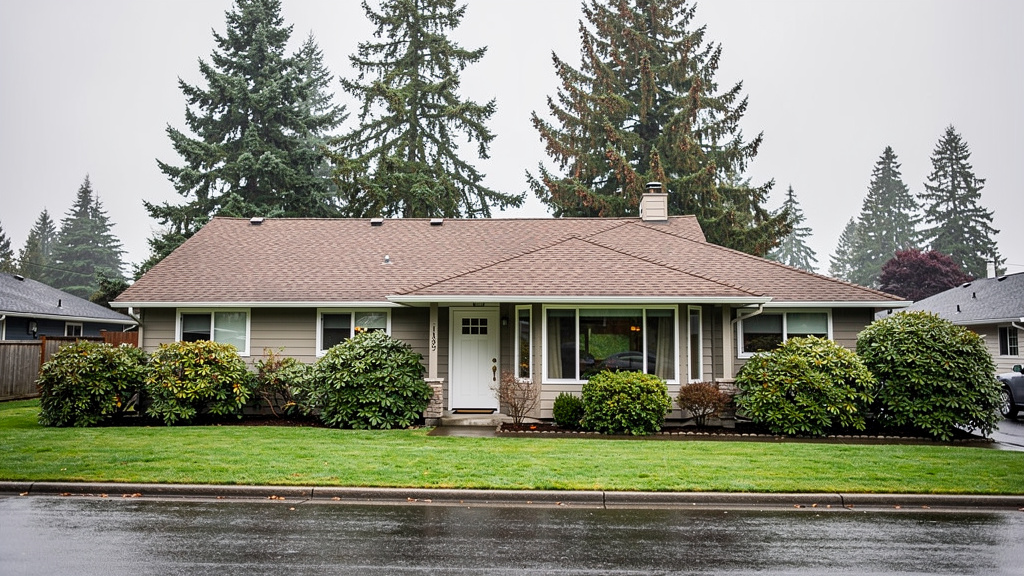
homeowners should schedule professional roof inspections at least once yearly, especially after winter storms and before spring weather arrives.
Why Professional Roof Inspections Matter in Seattle
the local climate creates unique roofing challenges that make professional inspections essential. The city faces over 150 rainy days annually, creating persistent moisture that most other climates don’t experience . Seattle’s cool temperatures, frequent rain, and heavy tree cover create ideal conditions for moss, algae, and lichen growth that can damage roofing materials (Source: Elite Gold Contractors).
local roofs rarely get long drying periods between storms. Even light moss growth can remain damp for weeks, accelerating deterioration. This constant moisture exposure means problems develop faster than in drier climates, making early detection through professional inspection critical for preventing expensive repairs.
The combination of marine climate conditions and frequent cloud cover means roofing issues that might take years to develop elsewhere can appear in just one or two seasons in this area.
How Often Should Seattle Homeowners Schedule Roof Inspections?
Most homeowners need professional roof inspections at least once per year, with timing after winter storms being most critical.
The National Roofing Contractors Association recommends biannual inspections to uncover problems before serious damage occurs (Source: National Roofing Contractors Association). However, the local climate may require more frequent attention. Homes surrounded by trees or in shaded areas should consider more frequent inspections to catch moss growth early.
Spring inspections are particularly important after the wet Pacific Northwest winter season. Heavy rain, ice, and snow can cause storm damage that isn’t immediately visible from the ground. Professional inspections catch moisture damage early, before repairs become extensive and costly (Source: Elite Gold Contractors).
The timing matters because homeowners typically have one year to file insurance claims after roof damage occurs. Missing damage during this window can mean paying out-of-pocket for repairs that insurance would have covered.
What Warning Signs Require Immediate Professional Inspection?
Several specific conditions in your homes signal the need for immediate professional roof assessment beyond regular annual schedules.
Visible moss growth anywhere on the roof requires professional evaluation. Moss isn’t just cosmetic in the local climate—it can shorten roof lifespan and lead to wood rot, mold growth, and interior ceiling stains. Professional assessment determines whether moss removal or more extensive repairs are needed.
After any storm with high winds, heavy rain, or ice, schedule professional inspection. Storm damage from these conditions is common in this area, and even small storms can cause significant damage if installation quality or materials are below average. Professional roof inspection is the best way to assess roof condition following storms.
Interior signs like water stains, musty odors, or visible leaks also warrant immediate inspection. These often indicate problems that have progressed beyond surface-level issues and require professional diagnosis to prevent further damage.
How Much Do Professional Roof Inspections Cost in this climate?
Professional roof inspections in this area typically cost between $120 and $320, though the full range extends from $75 to $700 depending on roof complexity and inspector credentials (Source: HomeYou).
| Inspection Type | Cost Range | What’s Included |
|---|---|---|
| Basic Visual Inspection | $75-$150 | Ground-level assessment, basic report |
| Standard Professional Inspection | $120-$320 | Roof access, detailed report, photos |
| Comprehensive Inspection | $200-$400 | Detailed analysis, structural assessment |
| Post-Storm Assessment | $150-$500 | Insurance documentation, damage analysis |
Professional roof inspector services in the $200-$400 range provide extremely cautious work and the most thorough findings (Source: HomeYou). These inspections include checking gutters, downspouts, soffits, fascia, roof vents, and flashings—all critical components that DIY inspections often miss (Source: HomeYou).
The investment in professional inspection prevents minor problems from becoming major issues. Regular inspections catch problems early, when residential repairs for minor to moderate damage typically range from $400 to $4,000. Compare this to full roof replacement costs in this area, which vary from $14,000 to $26,000 or more.
What Can’t Homeowners Safely Inspect Themselves?
Homeowners should never attempt to inspect structural roof components, flashing details, or areas requiring roof access without professional expertise and safety equipment.
Washington State Building Code Section 1507 requires specific installation standards for roof covering and flashings that only trained professionals can properly assess (Source: Washington State Building Code). Valley flashing requires 36-inch-wide underlayment for certain roof slopes, and ice barriers must meet specific temperature thresholds—details invisible to untrained eyes (Source: Washington State Building Code).
Professional contractors are trained to safely and efficiently identify problems that homeowners can’t see or safely access (Source: National Roofing Contractors Association). They can assess whether shingle bundles meet approved grading standards and identify subtle signs of deterioration before leaking occurs (Source: National Roofing Contractors Association).
Seattle’s frequent moisture creates hidden damage patterns that require professional experience to recognize. What appears as minor surface moss to homeowners might indicate underlying moisture retention that threatens structural components.
What Should Seattle Homeowners Do Next?
Schedule your annual roof inspection in late spring or early summer, after winter weather has ended but before fall storms begin. This timing allows you to address any winter damage and prepare for the next wet season.
Document your roof’s current condition with photos from ground level before calling for professional inspection. This creates a baseline for future comparisons and can help with insurance claims if storm damage occurs later.
Research qualified roofing professionals who carry proper licensing and insurance for Washington state work. Verify that they understand Seattle’s specific climate challenges and moss prevention strategies.
Keep maintenance records including inspection dates, repair work, and any warranty information. Regular documentation helps track your roof’s condition over time and supports insurance claims when needed.
Consider bundling roof inspection with gutter cleaning and basic maintenance tasks to maximize the service call value and ensure all roof-related systems get attention.
FAQ
Q: How long does a professional roof inspection take in this climate?
Most professional roof inspections take 1-3 hours depending on roof size and complexity, plus time for report preparation.
Q: Will my homeowner’s insurance cover roof inspection costs?
Insurance typically covers inspections only after documented storm damage, not routine maintenance inspections.
Q: Can I inspect my roof myself with binoculars from the ground?
Ground-level visual checks help spot obvious problems, but professional roof access is needed for thorough assessment.
Q: What’s the difference between a roofing contractor inspection and an independent inspector?
Independent inspectors provide unbiased assessments; contractor inspections may focus on generating repair work.
Q: How quickly should I schedule inspection after a Seattle storm?
Schedule within 1-2 weeks after significant storms to document damage before the one-year insurance claim deadline.
Sources
- Elite Gold Contractors: Why Roofs Wear Down Faster in Seattle’s Climate
- HomeYou: Roof Inspection in this area, WA – Costs 01 / 2025
- National Roofing Contractors Association: Resources – Roofing Guidelines
- National Weather Service: Climate Data for the area, Washington
- Washington State Building Code: Chapter 15 Roof Assemblies and Rooftop Structures
- Washington State Building Code Department: Inspection Checklist: Residential Re-Roof
RoofNW understands the region’s unique roofing challenges and provides comprehensive inspection services that address the specific concerns of Pacific Northwest homeowners. Professional assessment helps protect your investment and ensures your roof can handle another season of Seattle weather.