Seattle homeowners should begin storm season preparation by August, with roof inspections completed before October when the Pacific Northwest’s major storm season begins.
Why Storm Preparation Matters in Seattle
Seattle’s geography creates unique weather challenges that make roof preparation critical. The city sits between Puget Sound and Lake Washington, creating wind tunnels that can intensify storm damage. Seattle’s major storm season runs from October through March, with peak windstorm activity during winter months (Source: Roofing Contractors Association of Washington).
The 2006 windstorm demonstrated Seattle’s vulnerability — 49% of Seattle City Light customers lost power, with full restoration taking a week (Source: Roofing Contractors Association of Washington). Almost 90,000 homes in Seattle were built before 1939, making them potentially more vulnerable to wind damage due to older construction standards (Source: Roofing Contractors Association of Washington).
Wind speeds as low as 32 mph can cause property damage, while homes built to major U.S. codes will lose roofs in winds from 80-120 mph (Source: Roofing Contractors Association of Washington). Seattle’s wettest spring on record occurred in 2014 with 16.77 inches of rainfall from March-May, showing how quickly weather patterns can overwhelm unprepared roofs (Source: NOAA National Climatic Data Center).
What Should You Inspect Before Storm Season?
Focus your pre-storm inspection on the most vulnerable roof components: flashing, gutters, and aging shingles.
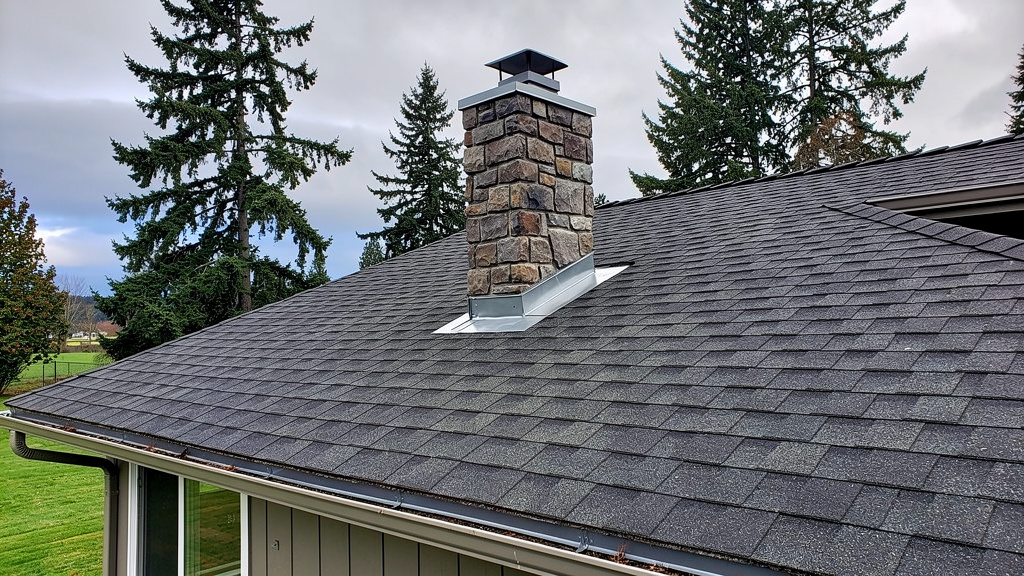
Check flashing around chimneys, vents, and roof-wall intersections first. Cracked or loose flashing causes most Seattle storm damage because it allows water penetration during heavy rains. Look for rust spots, gaps, or metal pieces that appear bent or separated.
Examine your gutters and downspouts next. Pacific Northwest storms dump large volumes of water quickly, and clogged gutters cause overflow that damages fascia boards and creates ice dams. Clear all debris and ensure downspouts direct water at least six feet from your foundation.
Inspect shingles for granule loss, curling edges, or missing pieces. Asphalt shingles lose granules naturally over time, but excessive loss indicates weather damage or aging. Washington State Building Code requires asphalt shingles to meet wind resistance classifications, so damaged shingles may not provide adequate protection (Source: Washington State Building Code Council).
Check your attic for daylight penetration, water stains, or damaged insulation. These signs indicate roof deck problems that storm winds can worsen rapidly.
How Much Does Storm Damage Cost Seattle Homeowners?
Average storm damage roof repair costs in Seattle range from $1,000 to $20,000, with most homeowners paying around $750 for minor repairs (Source: RoofSmart Seattle).
Replacing missing shingles costs around $1,000 for labor and materials, while interior damage mitigation ranges from $3,000 to $5,000 (Source: RoofSmart Seattle). Tree removal through a house can cost $1,500 to $20,000, depending on the size and complexity of the removal (Source: RoofSmart Seattle).
Professional roof inspections should be scheduled before storm season and cost $300-$500 annually for maintenance (Source: RoofSmart Seattle). This preventive cost is significantly lower than emergency repairs during storm season.
Average insurance payout for storm damage claims is approximately $12,000, with one year to file after damage occurs (Source: Valentine Roofing Seattle). However, insurance companies require documentation of proper maintenance, making pre-storm inspections valuable for claims processing.
Peak season roof work costs more due to higher demand, while off-season scheduling can save on labor costs (Source: Roofing and Maintenance). Emergency repairs during active storm periods command premium pricing due to urgent demand and difficult working conditions.
When Should You Schedule Professional Roof Maintenance?
Schedule your professional roof inspection between July and September, before Seattle’s storm season intensifies in October.
August represents the ideal timing for comprehensive roof maintenance. Weather conditions are dry and stable, allowing thorough inspections and any necessary repairs. Contractors have better availability before peak storm damage season, resulting in competitive pricing and faster scheduling.
Professional inspections cost $150-$400 and include detailed assessments of flashing, underlayment, and structural components invisible from ground level (Source: National Roofing Contractors Association). The National Roofing Contractors Association strongly recommends homeowners assess damage from ground level only and never attempt DIY storm repairs (Source: National Roofing Contractors Association).
September works as a backup month for inspections, but contractor availability decreases as homeowners prepare for fall weather. October marks the beginning of storm season, making it too late for preventive maintenance.
Spring inspections (March-May) help identify winter storm damage but don’t provide storm preparation benefits. Post-storm assessments are reactive rather than preventive, often resulting in higher costs and insurance complications.
What Storm Preparation Tasks Should You Complete?
| Task | Timeline | Estimated Cost | Priority Level |
|---|---|---|---|
| Professional roof inspection | July-August | $300-$500 | High |
| Clean gutters and downspouts | August-September | $150-$300 | High |
| Trim overhanging tree branches | July-September | $200-$800 | High |
| Secure loose flashing | August-September | $200-$600 | Medium |
| Replace damaged shingles | August-September | $350-$1,400 | Medium |
| Install gutter guards | July-August | $1,000-$2,500 | Low |
High-priority tasks prevent the most common storm damage scenarios. Tree branches cause significant roof punctures during windstorms, while clogged gutters create water damage that insurance companies may not cover if maintenance was neglected.
Medium-priority tasks address existing vulnerabilities that storms can worsen. Low-priority improvements provide long-term benefits but aren’t essential for immediate storm protection.
When Should You Call a Professional?
Contact a roofing professional immediately if you notice any of these warning signs during your ground-level inspection.
Water stains on interior ceilings or walls indicate active leaks that storms will worsen dramatically. Even small stains suggest compromised flashing or underlayment that requires professional diagnosis and repair.
Missing, cracked, or curled shingles create entry points for wind-driven rain. Seattle’s building permits are required for roof replacements, typically costing $500 to $1,000, indicating the complexity of proper roof work (Source: Roofing and Maintenance).
Sagging roof lines or visible structural damage require immediate professional assessment. Washington State Building Code requires specific structural compliance that only licensed contractors can properly evaluate and repair (Source: Washington State Building Code Council).
Granule accumulation in gutters beyond normal aging suggests accelerated shingle deterioration. Professional evaluation can determine whether spot repairs or full replacement better prepares your roof for storm season.
Never attempt repairs on steep slopes, during wet conditions, or if you’re uncomfortable with heights. Professional roofers carry proper insurance and equipment for safe, code-compliant repairs.
What Should Homeowners Do Next?
Start your storm preparation by scheduling a professional roof inspection for August or early September. Contact licensed roofing contractors who carry proper insurance and understand Washington State Building Code requirements.
Document your roof’s current condition with photographs from ground level. This documentation proves pre-existing conditions to insurance companies and helps track any storm damage that occurs later.
Review your homeowner’s insurance policy to understand storm damage coverage limits and deductibles. Many policies require evidence of proper maintenance, making professional inspections valuable for potential claims.
Create a list of emergency contacts including your roofing contractor, insurance agent, and tree removal service. Storm damage often requires quick response to prevent further interior damage.
Consider upgrading to Class 4 impact-resistant shingles during your next roof replacement. These materials have the highest rating for impact resistance and may qualify for insurance discounts (Source: National Roofing Contractors Association).
Schedule annual roof maintenance as part of your homeownership routine. Preventive care costs significantly less than emergency storm repairs and helps maintain your roof’s warranty coverage.
For Seattle area homeowners seeking reliable storm preparation guidance, RoofNW provides comprehensive roofing services and maintenance planning designed specifically for Pacific Northwest weather conditions. Their local expertise helps homeowners navigate Seattle’s unique climate challenges while maintaining proper building code compliance.
FAQ
Q: What months are considered Seattle’s storm season?
Seattle’s major storm season runs October through March, with peak windstorm activity during winter months.
Q: How much should I budget for pre-storm roof maintenance?
Professional inspections cost $300-$500, with minor preventive repairs typically ranging $200-$800 total.
Q: Can I inspect my own roof before storm season?
Only from ground level. Professional contractors have proper equipment and training for safe roof access.
Q: When is too late to prepare my roof for storms?
October marks the beginning of storm season, making preventive maintenance difficult and more expensive.
Q: Do I need permits for storm damage roof repairs in Seattle?
Seattle requires building permits for roof replacements, typically costing $500-$1,000 depending on project scope.
Sources
- Roofing Contractors Association of Washington: Understanding Washington State Roofing Safety Code
- Washington State Building Code Council: Washington State Building Code 2021 Chapter 15 Roof Assemblies
- RoofSmart Seattle: Storm Damage Roof Repair Costs in Seattle
- Valentine Roofing Seattle: Storm Damage Insurance Claims and Costs
- NOAA National Climatic Data Center: Seattle Climate Data – Historical Weather Patterns
- National Roofing Contractors Association: Storm Damage Guidelines
- Roofing and Maintenance: Seattle Building Permits for Roof Replacement