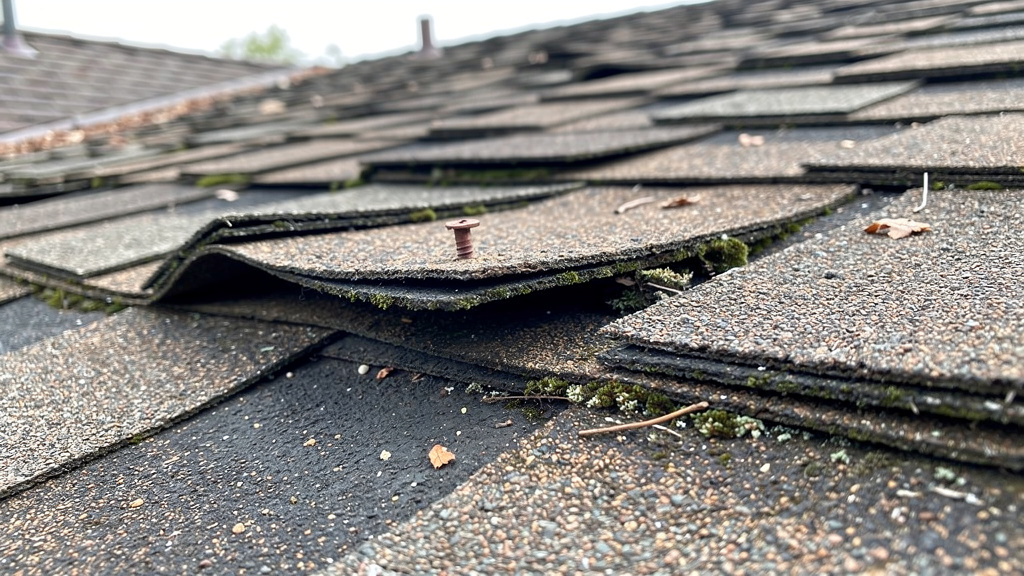
Proper roof ventilation prevents condensation, mold growth, and structural damage in the region’s humid climate while extending your roof’s lifespan and improving energy efficiency.
Why Roof Ventilation Matters More in Seattle’s Climate
Seattle’s unique climate creates perfect conditions for roof ventilation problems. With 152 rainy days per year and humidity levels frequently exceeding 60 percent, homes here face constant moisture challenges (Source: QB Clean). Unlike drier climates where ventilation primarily manages heat, your homes must combat year-round humidity that can destroy roofing materials from the inside out.
Over 95% of attic mold cases in the Seattle region stem from condensation rather than actual roof leaks (Source: Environix). This happens when warm, moist indoor air meets cold roof sheathing during our cool, wet winters. Without proper ventilation, this moisture has nowhere to go and begins rotting wood decking, rusting nails, and creating ideal conditions for mold growth.
Washington State Building Code recognizes these risks by requiring net free ventilating area of at least 1/150th of the attic space area (Source: Washington State Legislature). This isn’t just a suggestion — it’s mandatory for new construction and major renovations because inadequate ventilation causes expensive structural damage that insurance often won’t cover.
How Does Poor Ventilation Damage Your Roof?
Poor ventilation creates a moisture trap that systematically destroys your roof from within. When humid indoor air rises into an unventilated attic, it hits cold roof sheathing and condenses into water droplets.
This condensation collects on roof nails, causing them to rust and lose their holding power. Shingles begin lifting as fasteners fail. The moisture soaks into roof decking, causing wood rot that weakens the entire roof structure. In Seattle’s climate, this process accelerates because outdoor humidity rarely drops low enough to naturally dry out trapped moisture.
The International Institute of Building Enclosure Consultants reports that proper attic ventilation prevents this condensation cycle by allowing moist air to escape before it reaches the dew point (Source: International Institute of Building Enclosure Consultants). Ventilation creates air movement that carries moisture out through ridge vents while drawing drier outdoor air in through soffit vents.
Without this air circulation, Seattle homes develop what professionals call “sweating roof syndrome.” Ice dams become more severe because trapped heat melts snow unevenly. Insulation becomes waterlogged and loses R-value. Energy costs increase as HVAC systems work harder against moisture-damaged insulation and air infiltration through compromised roof assemblies.
What Ventilation Requirements Apply to Your Home?
Washington State Building Code sets specific ventilation standards that Seattle homes must meet. The primary requirement calls for net free ventilating area equal to 1/150th of the attic space (Source: Washington State Legislature). For a typical 1,500 square foot home, this means 10 square feet of total vent area.
The code requires balanced ventilation with equal amounts at eaves and ridge areas. This creates proper air circulation where cooler air enters through soffit vents and warmer air exits through ridge vents. The National Roofing Contractors Association reinforces this standard, recommending one square foot of vent area for every 150 square feet of attic space with balanced intake and exhaust (Source: National Roofing Contractors Association).
Washington State Mechanical Code adds another layer for homes with mechanical systems. Automatic exhaust systems must activate when relative humidity exceeds 60 percent (Source: Washington State Building Code Council). This prevents the moisture buildup that leads to condensation problems in Seattle’s humid environment.
Blocking and bridging cannot interfere with air movement, and there must be at least one inch of airspace between insulation and roof sheathing (Source: Washington State Legislature). These details ensure ventilation systems work effectively rather than just meeting minimum square footage requirements.
How Much Does Roof Ventilation Cost in this climate?
Installing proper roof ventilation typically costs $200 to $700 per vent in the the local area, depending on the type and complexity of installation. Ridge vent installation averages $350 to $600 for standard residential applications.
| Ventilation Type | Cost Range | Coverage Area | Lifespan |
|---|---|---|---|
| Ridge Vent | $350-$600 | Linear foot of ridge | 20-25 years |
| Soffit Vents | $15-$30 each | 50-70 sq ft per vent | 15-20 years |
| Gable Vents | $25-$75 each | 200-400 sq ft | 25-30 years |
| Power Exhaust Fan | $200-$500 | 800-1200 sq ft | 10-15 years |
| Turbine Vent | $100-$200 each | 300-500 sq ft | 15-20 years |
Professional installation ensures proper placement and sealing, which prevents the water infiltration problems that plague DIY ventilation projects. The upfront investment pays for itself through extended roof life and reduced energy costs. Proper ventilation can add 5-7 years to asphalt shingle lifespan by preventing heat and moisture damage (Source: Fixr).
Compare this to the cost of moisture damage repairs. Attic mold remediation averages $2,000-$6,000 in this area. Roof decking replacement ranges from $3-$7 per square foot. Complete roof replacement due to moisture damage costs $8,000-$15,000 for typical residential homes.
When Should You Call a Professional for Ventilation Assessment?
Call a roofing professional immediately if you notice condensation on windows during winter months, musty odors in upper floors, or ice dams forming along roof edges. These indicate ventilation problems that will worsen without professional intervention.
Visual signs requiring professional assessment include rust stains on roof nails visible in the attic, water stains on roof decking, or insulation that appears damp or compressed. In Seattle’s climate, these problems escalate quickly from minor moisture issues to structural damage requiring expensive repairs.
Professional evaluation becomes critical when planning any roof work. Building permits for major roof repairs or replacement require ventilation systems that meet current Washington State Building Code requirements. DIY ventilation modifications often fail inspection because they lack proper balance between intake and exhaust or don’t provide adequate net free area.
Energy efficiency audits often reveal ventilation deficiencies that increase heating and cooling costs. If your energy bills seem high despite good insulation, inadequate roof ventilation might be forcing your HVAC system to work against moisture problems and poor attic temperature control.
What Should Homeowners Do Next?
Start with a visual inspection of your current ventilation system. Count your soffit vents and ridge vents to determine if you have adequate coverage for your attic square footage. Look for blocked vents where insulation or debris prevents airflow.
Check your attic during the next rain event. Use a flashlight to examine roof decking and nails for water stains, rust, or active leaks. Document any moisture problems with photos before they worsen. The Washington State Department of Health recommends keeping indoor humidity below 50 percent to prevent mold growth, so consider adding a hygrometer to monitor moisture levels (Source: QB Clean).
Schedule a professional roof inspection if you discover ventilation deficiencies or moisture problems. Qualified contractors can calculate exact ventilation requirements for your specific roof design and recommend the most effective solutions for Seattle’s climate conditions.
For homes with severe moisture issues, consider comprehensive solutions like crawl space encapsulation, which costs $3,000-$8,000 but significantly reduces whole-home humidity levels in Seattle’s climate (Source: Willard’s Pest Control). This investment often proves more effective than addressing ventilation problems piecemeal.
FAQ
Q: How many roof vents does my home need?
You need 1 square foot of total vent area per 150 square feet of attic space, balanced between intake and exhaust vents.
Q: Can I install roof ventilation myself?
Simple soffit vents maybe, but ridge vents require cutting roof sheathing and proper sealing to prevent leaks in Seattle’s climate.
Q: Do power exhaust fans work better than passive vents in this climate?
Power fans can help in extreme humidity, but balanced passive ventilation usually works better and costs less to operate.
Q: Will better ventilation reduce my heating costs?
Yes, proper ventilation prevents moisture damage to insulation and reduces the load on your heating system during winter.
Q: How do I know if my current ventilation is working?
Check for condensation, ice dams, musty odors, or rust stains on attic nails — these indicate ventilation problems.
Sources
- Washington State Legislature: WAC 51-50-1202 Ventilation Requirements
- Washington State Building Code Council: Washington State Ventilation and Indoor Air Quality Code
- Washington State Building Code Council: Washington State Mechanical Code 2021 Chapter 4
- International Institute of Building Enclosure Consultants: Attic Ventilation 101
- National Roofing Contractors Association: Clearing the Air Article
- Environix: Attic Mold Issues in Seattle Homes
- QB Clean: Seattle Home Mold Inspection Guide
- Fixr: Cost to Install Roof Vent
- Willard’s Pest Control: Why Seattle Homes Are Prone to Mold
—
RoofNW provides comprehensive roofing services throughout the greater Puget Sound region, including ventilation assessments and installations that meet Washington State Building Code requirements. Their experienced team understands the unique challenges Seattle’s climate presents and can recommend the most effective ventilation solutions for your home’s specific needs.