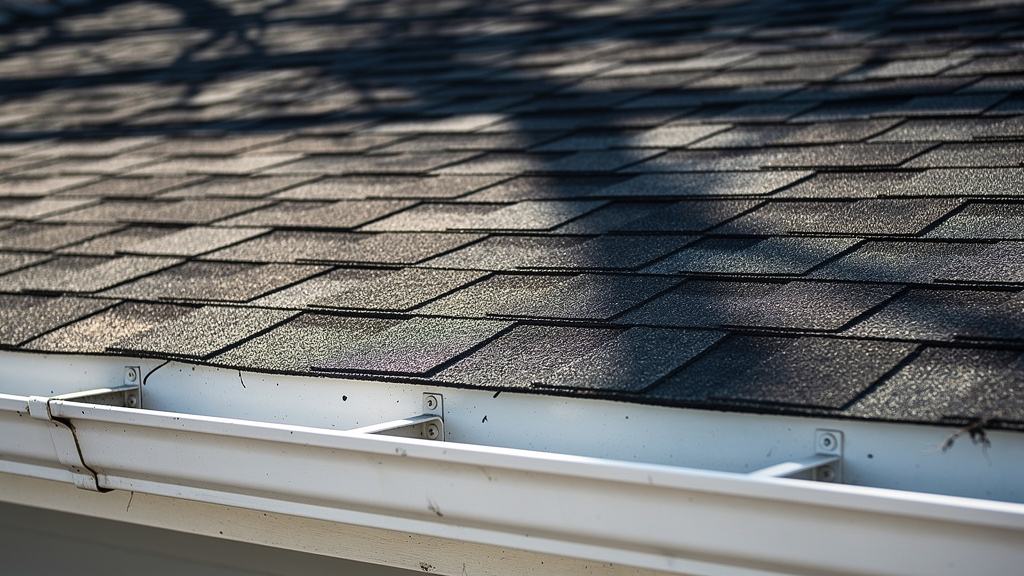
Roofs in this area typically last 17-25 years, which is shorter than roofs in milder or drier climates due to the Pacific Northwest’s persistent moisture and high humidity (Source: SEA Renovation).
Why Seattle’s Climate Shortens Roof Lifespan
Seattle’s unique weather patterns create challenging conditions for roofing materials. With 37 inches of annual rainfall and limited sunlight, Seattle roofs rarely receive enough sustained sunlight to fully dry between storms (Source: SEA Renovation). The persistent moisture, combined with high humidity, promotes moss growth and accelerates material deterioration (Source: Elite Gold Contractors).
Freeze-thaw cycles during winter months create small cracks that gradually expand into leaks (Source: Elite Gold Contractors). Seattle’s cool, wet conditions provide ideal growing conditions for moss, which traps moisture against shingles and can lift or damage roofing materials. Homes in heavily shaded areas experience even faster deterioration, as these locations stay damp longer after rainfall.
The Pacific Northwest’s relentless rain and high humidity mean that roofing materials work harder here than in drier climates. This constant exposure to moisture breaks down protective granules on asphalt shingles and can cause wood materials to rot or warp over time.
What Affects How Long Your Specific Roof Will Last?
Material quality, installation craftsmanship, and maintenance frequency determine your roof’s actual lifespan. Asphalt shingles in Seattle typically last 20-25 years, while some newer varieties include moss-resistant treatments that can extend their life (Source: SEA Renovation).
Installation quality makes a significant difference in longevity. Proper underlayment, flashing installation, and ventilation help prevent moisture problems that shorten roof life. Poor attic ventilation worsens moisture issues, creating conditions for mold growth and premature material failure (Source: Elite Gold Contractors).
Regular maintenance can extend your roof’s lifespan by several years. Annual cleaning removes moss and debris that trap moisture. Prompt repairs of small issues prevent them from becoming major problems. Properties with good drainage, adequate ventilation, and regular upkeep consistently outlast neglected roofs.
The direction your roof faces also matters. South-facing slopes receive more sunlight and dry faster, while north-facing areas stay damp longer and develop moss more quickly.
How Do Different Roofing Materials Perform in Seattle?
Metal roofs offer the longest lifespan in the local climate, lasting 40-70 years with proper installation (Source: Homze). Metal doesn’t absorb moisture, resists moss growth, and handles freeze-thaw cycles better than organic materials.
Asphalt shingles remain the most common choice, lasting 20-25 years in Seattle conditions. Architectural shingles typically outlast basic 3-tab shingles due to their thicker construction and better wind resistance. Premium asphalt products with algae and moss resistance perform better in the Pacific Northwest.
Cedar shake shingles last 20-30 years with proper maintenance (Source: SEA Renovation). While cedar naturally resists moisture, it requires regular treatment to prevent moss growth and rot. Cedar performs well in Seattle’s climate when properly installed with adequate ventilation.
Composite and synthetic materials vary widely in performance, but many are specifically designed to handle moisture-heavy climates like Seattle’s. These materials often include built-in moss and algae resistance.
How Much Does Roof Replacement Cost in Seattle?
| Material Type | Cost Per Sq Ft | Total Cost (2,000 sq ft) | Expected Lifespan |
|---|---|---|---|
| Asphalt Shingles | $6.50-$15.00 | $13,000-$30,000 | 20-25 years |
| Metal Roofing | $12.50-$24.00 | $25,000-$48,000 | 40-70 years |
| Cedar Shakes | $8.00-$16.00 | $16,000-$32,000 | 20-30 years |
Roof replacement costs in the area range from $9,000-$30,000 depending on size, materials, and complexity (Source: RoofingCalc.com). Most replacements take 5-7 days to complete, weather permitting (Source: Homze).
Additional costs include permits, which typically run $250-$500 for roof replacement (Source: Homze). Tear-off of existing materials, structural repairs, and upgraded ventilation can add to the base cost. Getting multiple quotes helps ensure fair pricing and quality workmanship.
When Should You Call a Roofing Professional?
Missing or damaged shingles signal immediate attention is needed, especially before the heavy rain seasons. Water stains on interior ceilings indicate active leaks requiring professional diagnosis and repair.
Moss growth covering more than 30% of your roof surface needs professional removal and treatment. Attempting to pressure wash or scrape moss yourself can damage shingles and void warranties. Professional cleaning preserves the roof while removing growth safely.
Sagging roof lines, loose flashing around chimneys or vents, and granules collecting in gutters indicate structural issues beyond DIY repair capabilities. These problems require immediate professional evaluation to prevent costly damage.
Age alone warrants professional inspection. If your roof is approaching 15-20 years old, annual professional inspections help identify problems early and plan for eventual replacement.
What Homeowners Should Do Next
Schedule an annual roof inspection, especially after winter storms. Professional inspections cost $150-$400 but can identify small problems before they become expensive repairs. Inspections should include checking flashing, gutters, and ventilation systems.
Clean gutters and remove debris from roof surfaces twice yearly. Trim tree branches that hang over your roof to reduce shade and debris accumulation. Consider professional moss treatment if growth appears, as early intervention costs less than replacement.
Document your roof’s condition with photos and maintain records of repairs and maintenance. This information helps with insurance claims and provides valuable history for future contractors.
Start planning for replacement when your roof reaches 15-18 years old. Getting quotes and researching contractors before you need emergency replacement ensures better decisions and potentially better pricing.
FAQ
Q: How often should I inspect my roof in this climate?
At least once per year, with additional checks after major storms or windstorms that could cause damage.
Q: Does homeowner’s insurance cover roof replacement in this region?
Coverage depends on the cause of damage. Storm damage is typically covered, but gradual wear from age usually isn’t.
Q: Can I install new shingles over my existing roof?
While sometimes allowed, tear-off is recommended in this climate to inspect for moisture damage and ensure proper installation.
Q: What’s the best time of year to replace a roof in this region?
Late spring through early fall offers the most consistent dry weather for installation work.
Q: Do I need a permit for roof replacement in the area?
Yes, permits are required for major roofing work and typically cost $250-$500 in the local area.
Sources
- A Better Roofing: Roof Cleaning & Maintenance Importance for Seattle Homes
- Elite Gold Contractors: Why Roofs Wear Down Faster in Seattle’s Climate
- Homze: How Much Does a Roof Replacement Cost in Seattle? 2025 Pricing Guide
- RoofingCalc.com: How Much Does a New Roof Cost in Seattle, WA?
- SEA Renovation: How Often to Replace Your Roof in Seattle
RoofNW provides comprehensive roofing information and connects local homeowners with qualified local contractors. Understanding your roof’s expected lifespan helps you plan for maintenance and eventual replacement, protecting your home investment in the Pacific Northwest’s challenging climate.